W–019 · Documentary photograph and sources
The Last Portrait
In November 1880, Norwegian Ole Tobias Olsen lost his daughter Milda Dorothea, born only the year before. He made a post-mortem portrait of her: Milda seated beside her mother, Bernardine. The National Library of Norway’s catalogue preserves the family’s names and the circumstances of the picture.
1. Bernardine and Milda Dorothea Olsen
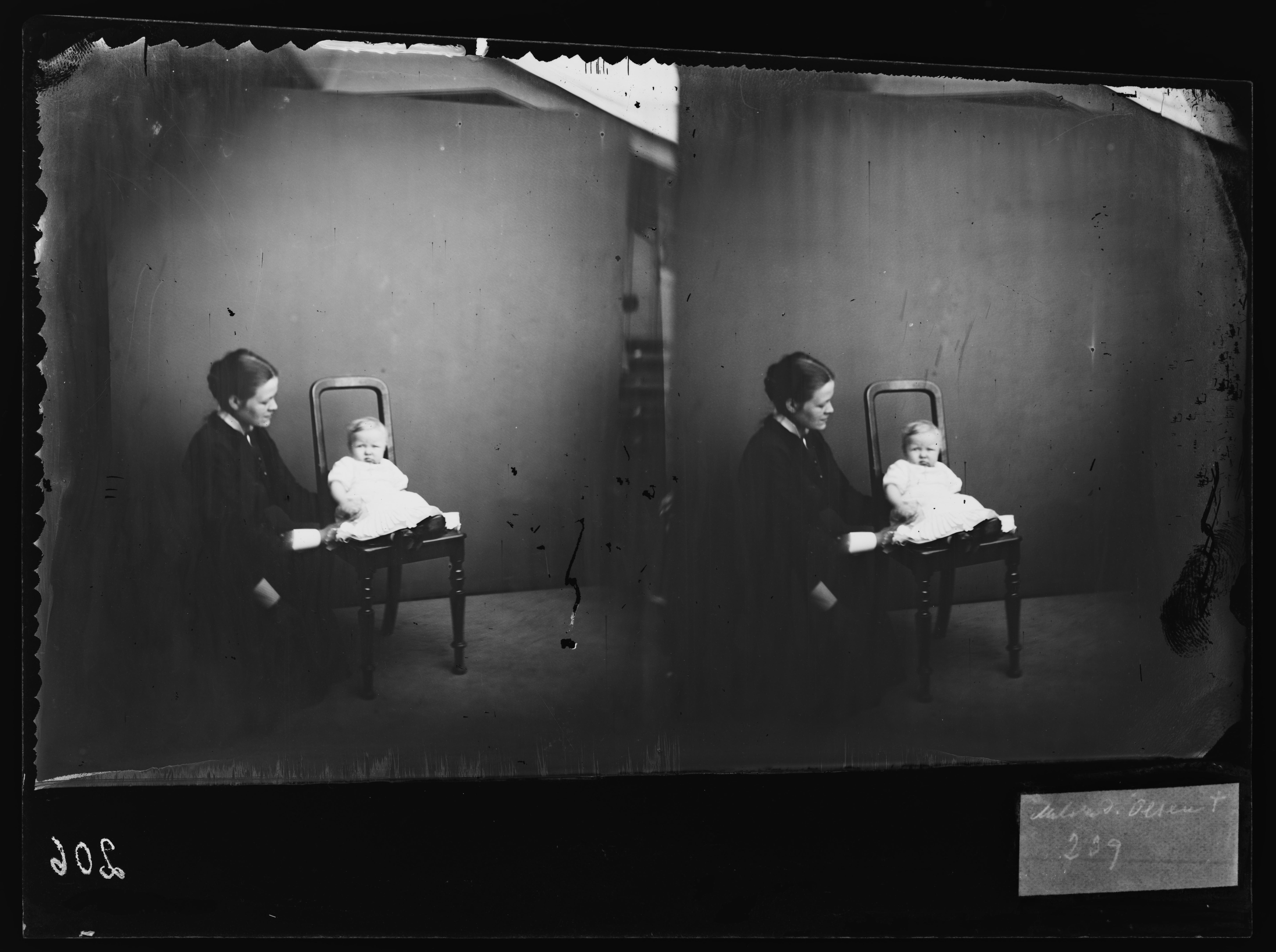
Provenance and sources for frame 1
Displayed file: 7345 × 5481 pixels. The source record discusses public-domain status; check which jurisdiction it covers. Full image record in Russian.
urn.nb.nocommons.wikimedia.orgView image file2. Three before the camera
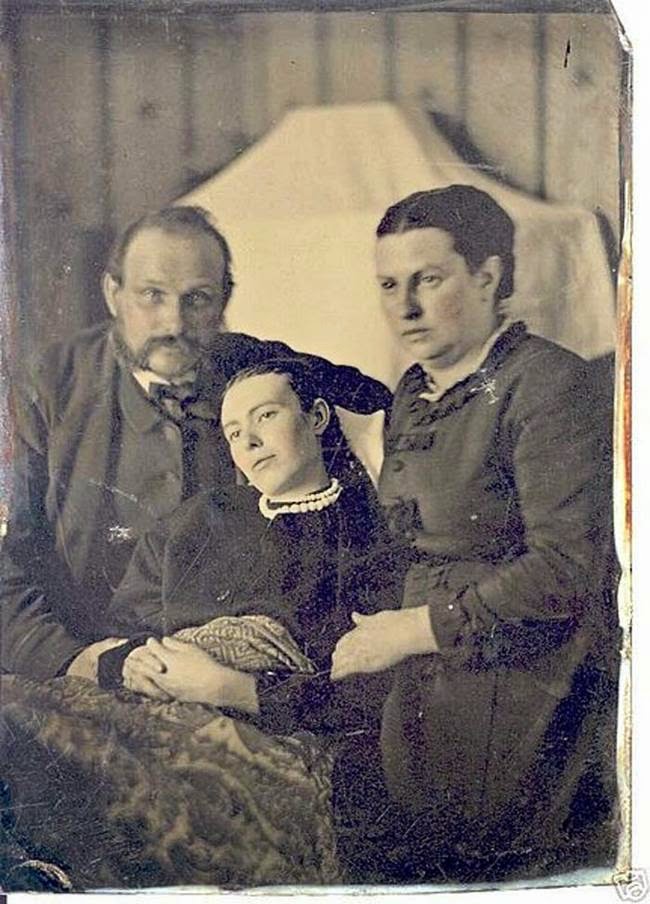
Provenance and sources for frame 2
Displayed file: 650 × 904 pixels. Full image record in Russian.
disgustingmen.comdisgustingmen.comView image fileIn the nineteenth century, a family sometimes called for a photographer after a loved one had died, wishing to retain an image of that person. A deceased child might be photographed in her mother’s arms or beside her relatives as part of a family portrait. Such pictures are called post mortem: “after death.”
3. A girl between two adults
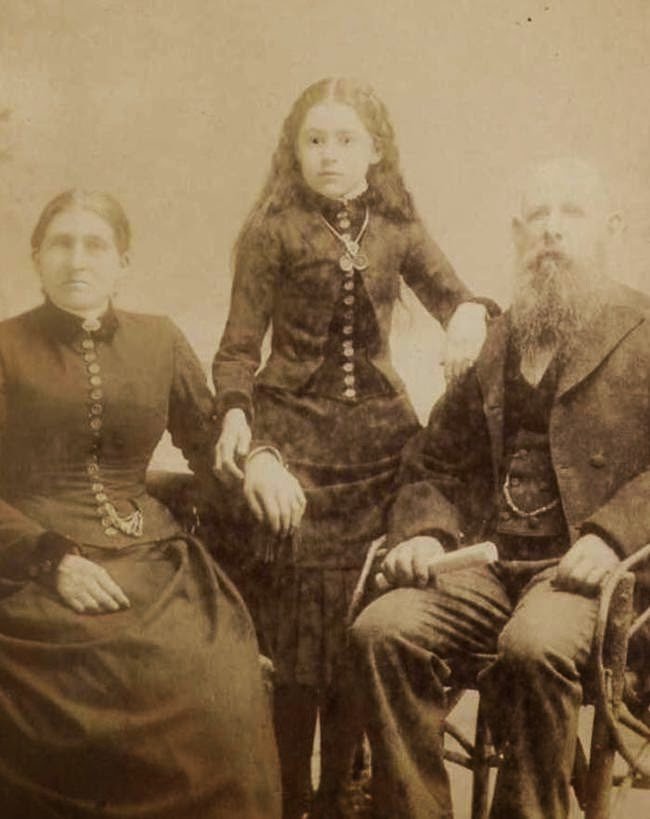
Provenance and sources for frame 3
Displayed file: 650 × 819 pixels. Full image record in Russian.
disgustingmen.comdisgustingmen.comView image file4. A woman and a child

Provenance and sources for frame 4
Displayed file: 962 × 702 pixels. Full image record in Russian.
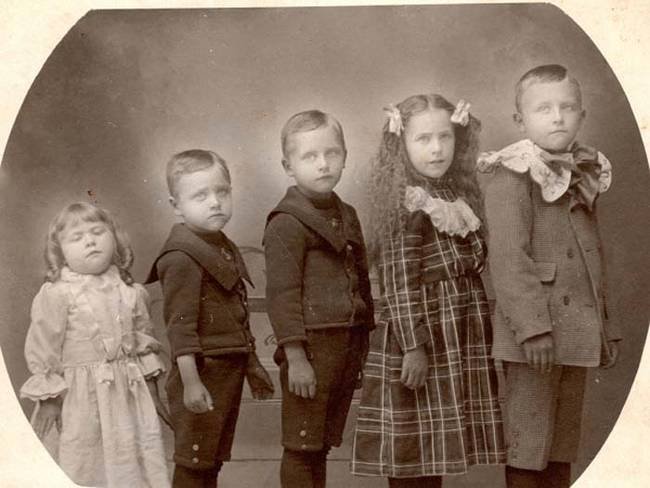
disgustingmen.comdisgustingmen.comView image fileOnline collections also apply that label to group portraits whose history is unknown. Nine such photographs appear here. A woman supported on either side becomes, in the retelling, a dead daughter posed between her parents; a child’s closed eyes or a standing figure’s darkened hands are taken as signs of death. Claims about painted pupils pass from one post to another. The images alone cannot establish any of these accounts.
5. A couple and an infant
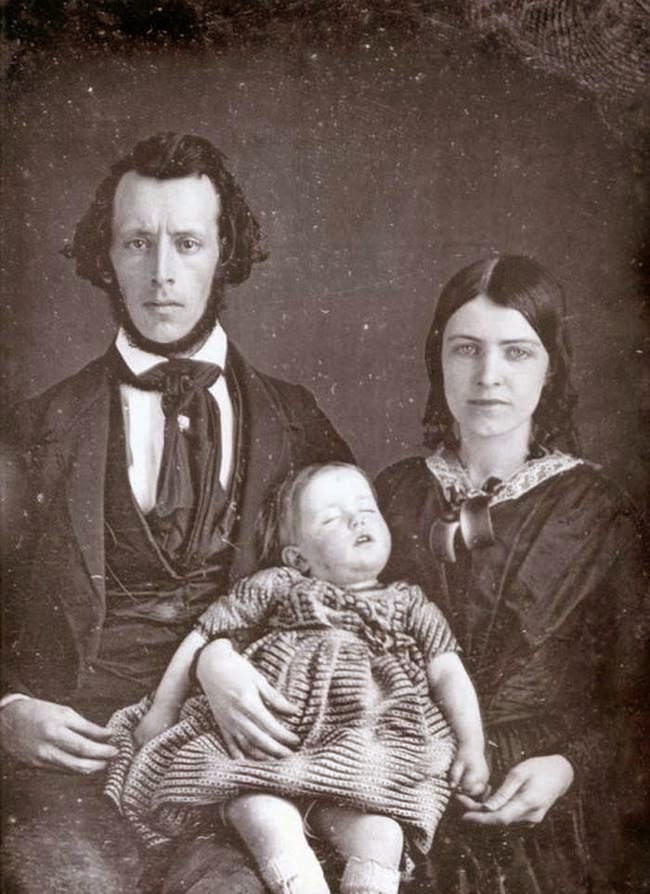
Provenance and sources for frame 5
Displayed file: 650 × 894 pixels. Full image record in Russian.
disgustingmen.comdisgustingmen.comView image file6. A young woman leaning on another
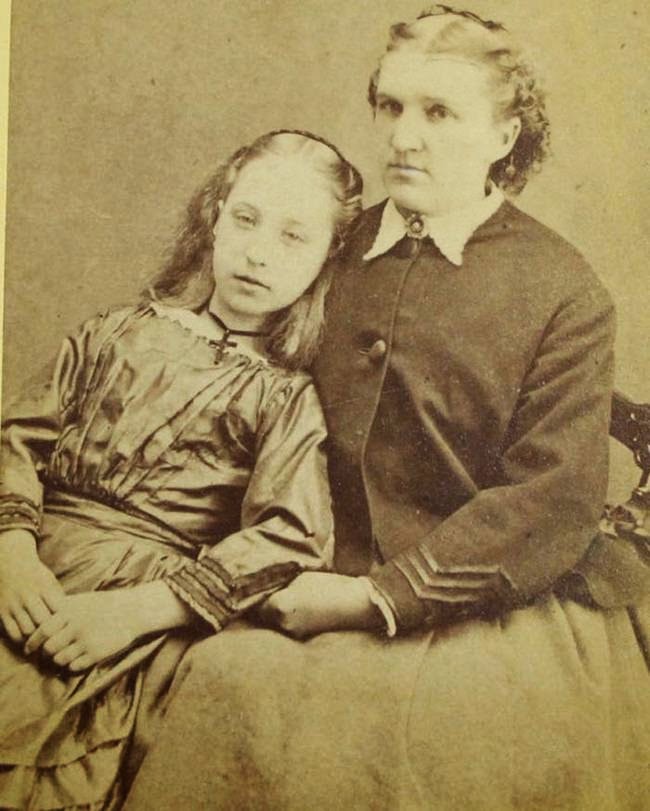
Provenance and sources for frame 6
Displayed file: 650 × 811 pixels. Full image record in Russian.
disgustingmen.comdisgustingmen.comView image fileAnother story concerns studio posing stands: supposedly they were used to hold dead bodies upright before the camera. In photographic studios, such supports helped living sitters remain still during long exposures. A stand is no proof of a post-mortem sitting, any more than closed eyes, the colour of a hand or a face that appears sharper than its neighbours.
7. Two women in a studio
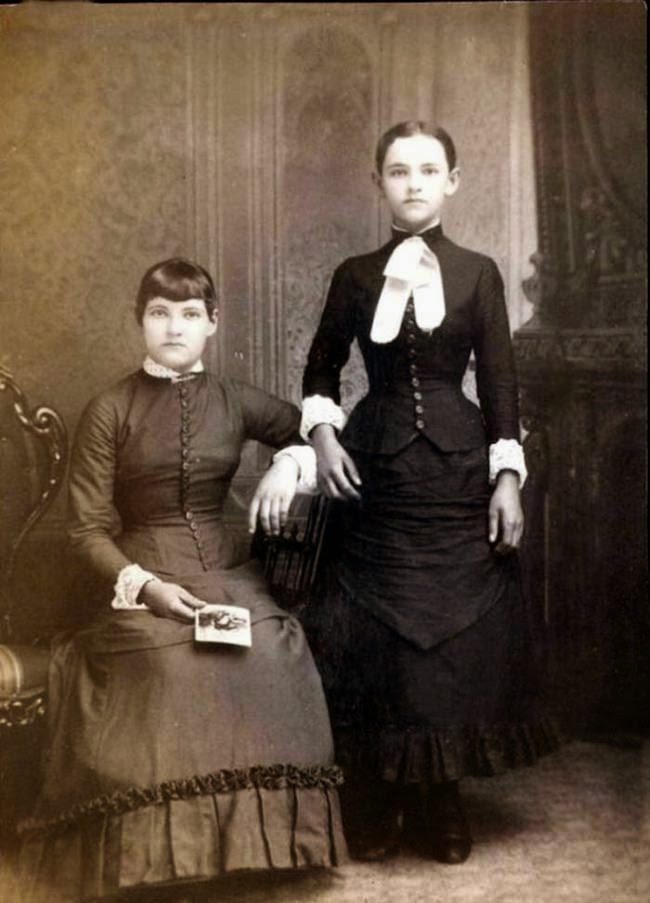
Provenance and sources for frame 7
Displayed file: 650 × 903 pixels. Full image record in Russian.
disgustingmen.comdisgustingmen.comView image file8. Two girls on a sofa
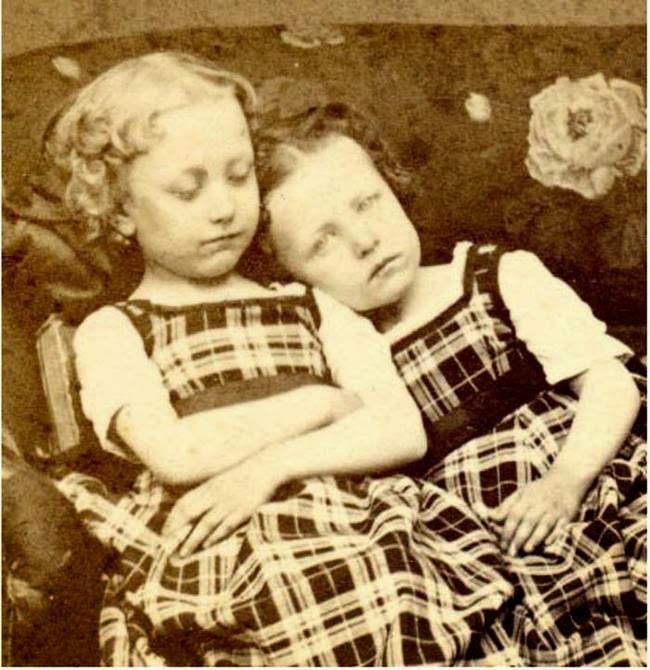
Provenance and sources for frame 8
Displayed file: 650 × 670 pixels. Full image record in Russian.
disgustingmen.comdisgustingmen.comView image fileFor the other nine portraits, no archival records have yet been found to verify the sitters’ names, their relationships or that they were photographed after death. Their captions report online identifications with that reservation. Unlike the Olsen family photograph, these images do not even tell us with certainty whom we are seeing, much less whether anyone in them had died before the shutter opened.
9. Two girls in matching dresses
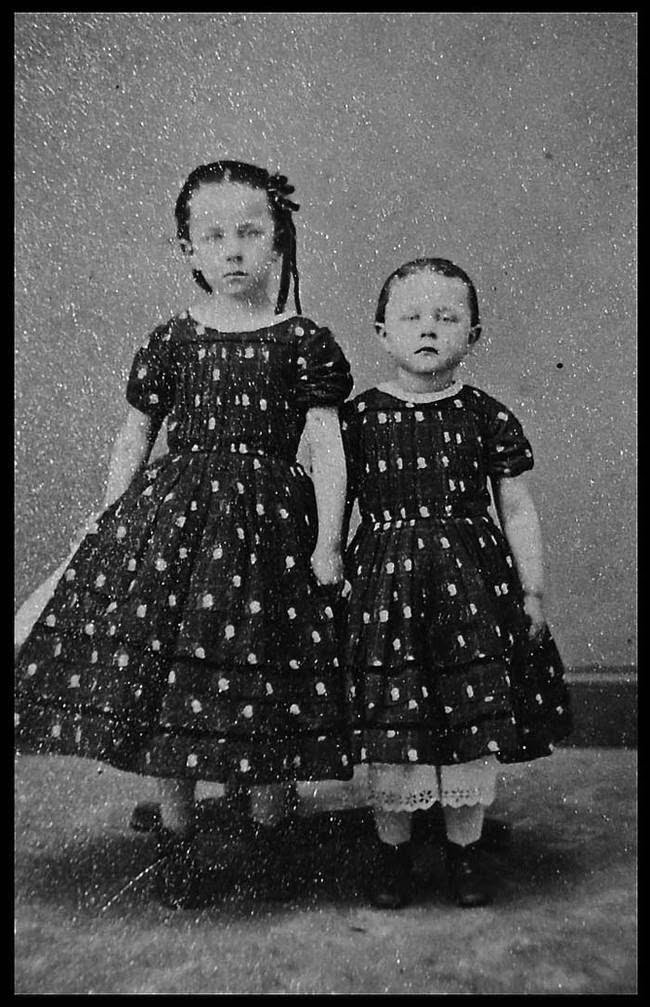
Provenance and sources for frame 9
Displayed file: 650 × 1007 pixels. Full image record in Russian.
disgustingmen.comdisgustingmen.comView image file10. Five children
Provenance and sources for frame 10
Displayed file: 650 × 488 pixels. Full image record in Russian.
disgustingmen.comdisgustingmen.comView image file