Returning to Beirut
W–077
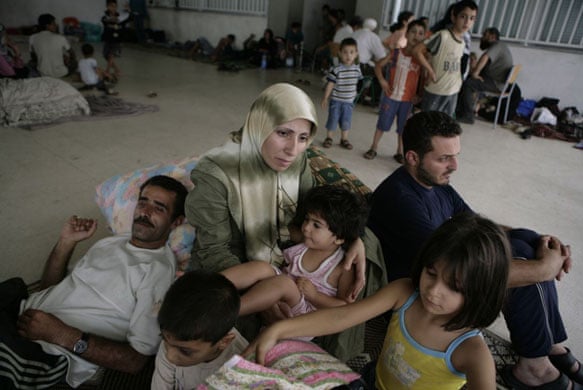
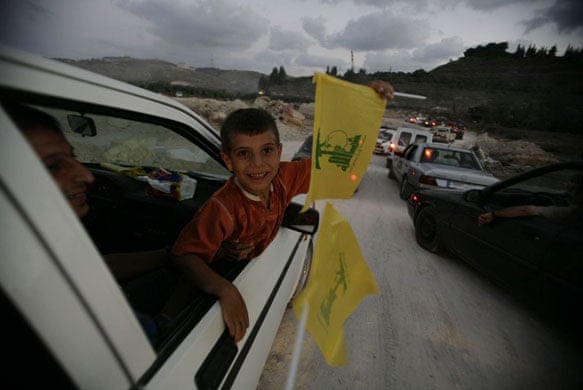
After the ceasefire began on 14 August 2006, people in Lebanon started returning home. Families who had taken shelter in schools and hotels travelled back to the south and Beirut’s suburbs. The UN estimated that around a million people had left their homes during the fighting; in the first days after the ceasefire, most returned home or stayed nearby.
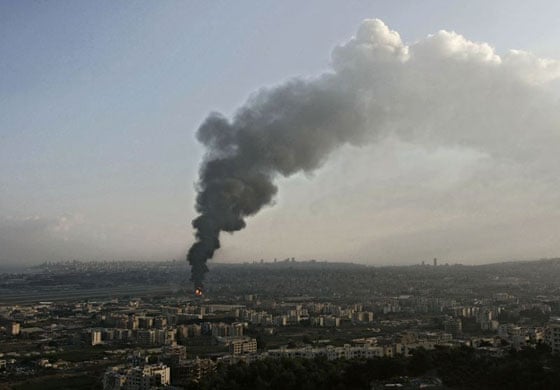
The war began on 12 July when Hezbollah captured two Israeli soldiers in a cross-border attack. Israel struck targets in Lebanon, including Beirut’s airport and residential districts; Hezbollah fired rockets into northern Israel. On 11 August, the UN Security Council adopted Resolution 1701 calling for a halt to hostilities. When the firing stopped, homes and roads across many districts were in ruins.
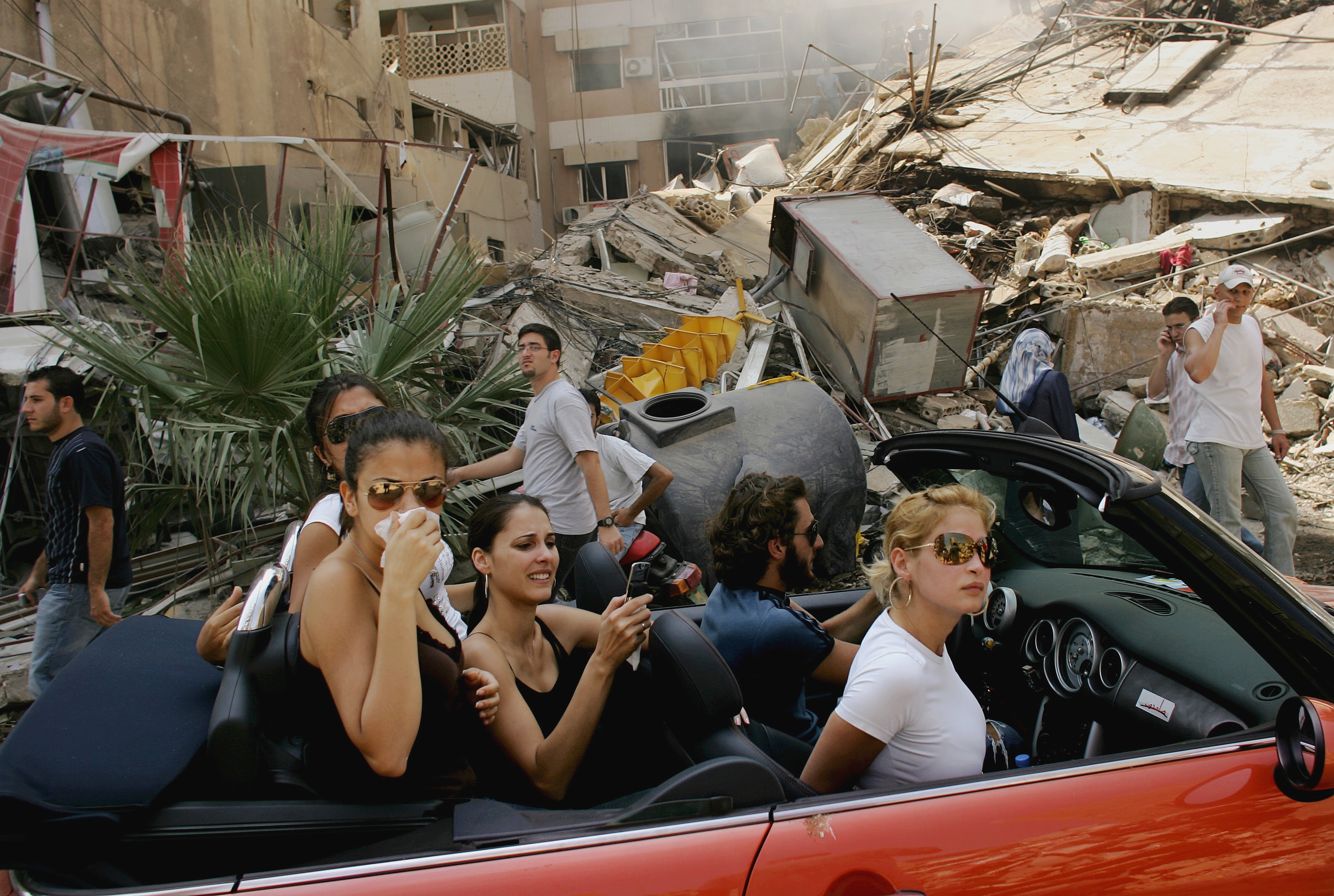
On 15 August, the second day of the ceasefire, Getty Images photographer Spencer Platt was working in Beirut’s southern suburbs. He photographed five young people in a red Mini Cooper convertible. In February 2007, the image won World Press Photo’s top award. An early Getty Images caption described the people in the car as affluent Lebanese who had come to look at the destruction. Some press coverage called them war tourists.
After the award was announced, journalist Gert van Langendonck met Jad, Bissan, Nour and Liliane. Tamara, the fifth person in the car, was not at the meeting. Lana El Khalil, who had lent them the car, also took part. Their interview and a group portrait appeared in NRC Handelsblad on 19 February 2007.
They said that four of the people in the car lived in the southern suburbs, while one lived in neighbouring Shiya. During the war, they had taken shelter at a hotel in Hamra. There they met Lana, who was helping people forced from their homes. Jad, the driver, explained that on 15 August they had driven with the roof down because there were five of them, it was hot and they all wanted to see what had happened to their neighbourhood.
Their account did not end the disagreement. In a 2016 commentary for TIME, Platt said that the people in the car had falsely told reporters they were refugees. He recalled that the press reaction had made him want to leave the profession. His accusation conflicts with the subjects’ account published in 2007. The photograph alone cannot establish their wealth or verify where they lived during the war. World Press Photo’s current catalogue describes young Lebanese returning to Haret Shreik to check on their homes.
Photographs and documents
1. Convertible in Haret Shreik
Sources and provenance for frame 1
Date and location follow World Press Photo. The current catalogue says the young people had come to check on their homes after the bombardment. The early Getty Images caption and the subjects’ objections are discussed in the narrative. The published 3188 × 2141 px file is preserved in full and unchanged. No free licence is stated.
SourceWorld Press PhotoFile on WITNESS · 3188 × 21412. The airport strike
Sources and provenance for frame 2
The date, location and photographer are identified in The Guardian’s caption. The published 560 × 390 px file is preserved in full and unchanged. No free licence is stated.
SourceThe GuardianFile on WITNESS · 560 × 3903. A family sheltering in a school
Sources and provenance for frame 3
The date, location and photographer are identified in The Guardian’s caption. The published 583 × 390 px file is preserved in full and unchanged. No free licence is stated.
SourceThe GuardianFile on WITNESS · 583 × 3904. The road back to Tyre
Sources and provenance for frame 4
The date, location and photographer are identified in The Guardian’s caption. The published 583 × 390 px file is preserved in full and unchanged. No free licence is stated.
SourceThe GuardianFile on WITNESS · 583 × 3905. Burial in Tyre

Sources and provenance for frame 5
The date, location and photographer are identified in The Guardian’s caption. The published 583 × 390 px file is preserved in full and unchanged. No free licence is stated.
SourceThe GuardianFile on WITNESS · 583 × 3906. A ruined district
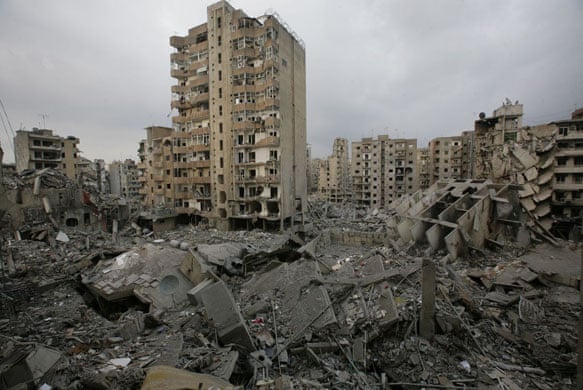
Sources and provenance for frame 6
The date, location and photographer are identified in The Guardian’s caption. The published 583 × 390 px file is preserved in full and unchanged. No free licence is stated.
SourceThe GuardianFile on WITNESS · 583 × 3907. After the award
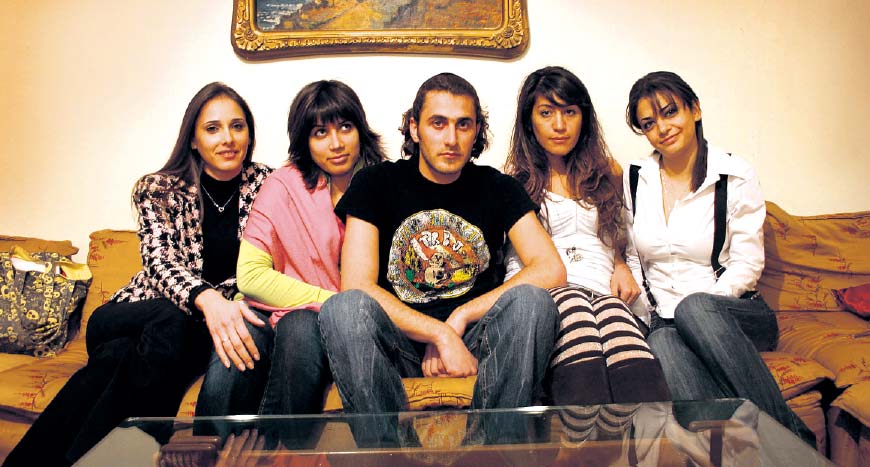
Sources and provenance for frame 7
Names and order follow the newspaper caption. Tamara, who was in the car in 2006, is absent; Lana El Khalil lent them the vehicle. 19 February is the publication date; the date the portrait was taken is not specified. The 870 × 467 px JPEG was extracted from the newspaper PDF without re-encoding or cropping. No free licence is stated.
SourceNRC Handelsblad, 2007File on WITNESS · 870 × 467