The train freed at Farsleben
W–074
In April 1945, prisoners from Bergen-Belsen were put on a train again. About 2,500 people, most of them Jews, were being taken east to Theresienstadt. Their train stopped near Farsleben, outside Magdeburg. On 13 April, American tanks reached it.
The prisoners had been held in a special section of Bergen-Belsen as hostages for a possible exchange. They held papers from neutral and non-European countries; the SS hoped to exchange them for Germans interned abroad. The wait had lasted months, and for some, years. As British troops approached the overcrowded camp in the spring of 1945, the SS sent prisoners from the exchange camp away on several trains. There was too little food and no adequate medical care in the crowded carriages. People died on the journey.
The Americans learned about the train from prisoners who had escaped it. Two tanks of the 743rd Tank Battalion, operating with the 30th Infantry Division, were sent to investigate. Major Clarence Benjamin led the patrol; Sergeants George Gross and Carrol Walsh commanded the tanks. According to the battalion’s after-action report, quoted by the United States Holocaust Memorial Museum, twelve remaining German guards surrendered without a fight. The tank crews shared their food and cigarettes. They then had to find provisions for thousands of people and somewhere to care for the sick.
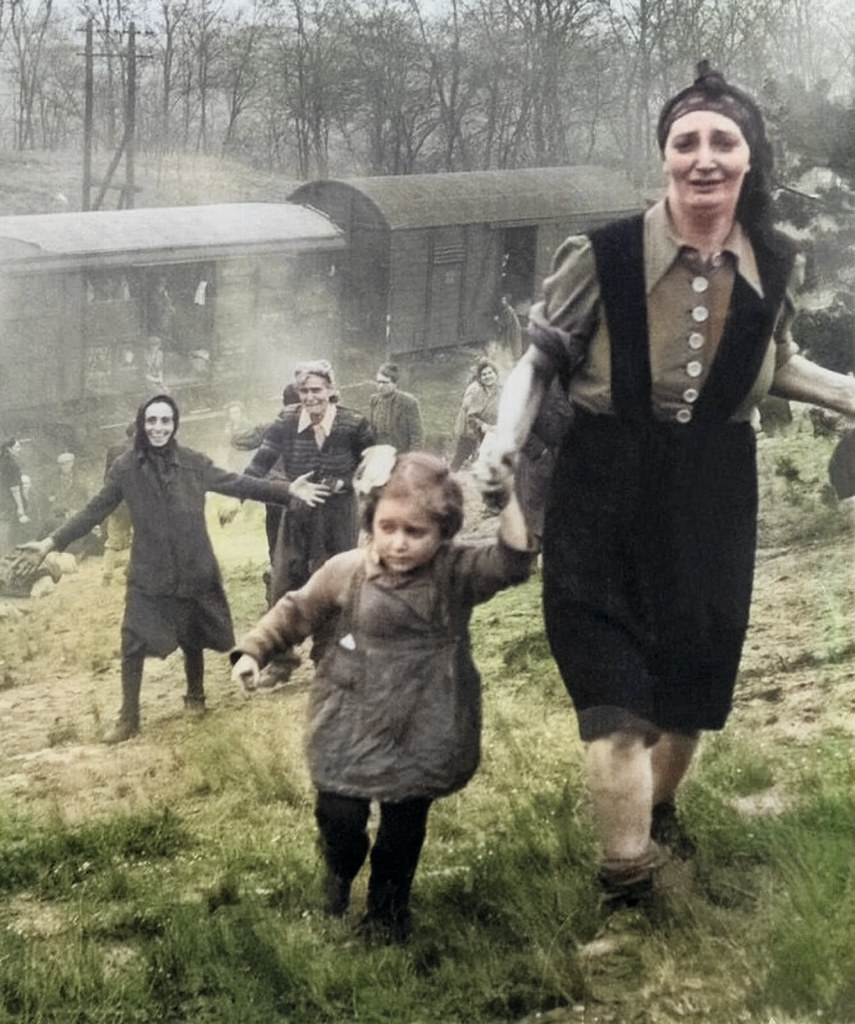
Gross stayed to guard the train until the following morning. In an account written in 2001, he recalled men, women and children forming a line in front of the tank to introduce themselves. Each gave a name and the country from which they had been taken. Gina Rappaport offered to interpret. She spoke several languages and helped the soldiers talk with the people they had freed. Gross photographed survivors beside the carriages and his tank. The well-known photograph of a woman and child climbing the embankment was taken by Benjamin.
Gina had spent about two years in Bergen-Belsen. Before her deportation, her family had lived under German occupation in Kraków and Tarnów. After obtaining papers to go to Palestine, they had waited to leave. Instead, they were imprisoned and sent to the camp. In the account she wrote in English shortly after liberation, Gina called 13 April the happiest day of her life. In the same account she described her grief for the people who had died before they could see it.
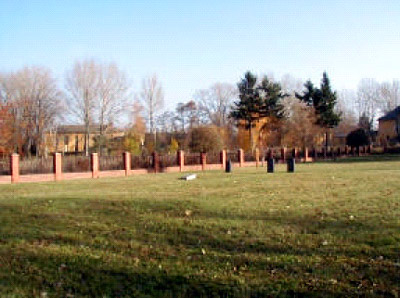
On 14 April, Lieutenant Frank Towers began arranging transport to Hillersleben. Former military housing provided shelter, food and medical care. Exhaustion and typhus continued to kill after liberation. The present-day Saxony-Anhalt burial register records 141 former Bergen-Belsen prisoners in the Jewish cemetery at Hillersleben: 136 are known by name and five remain unidentified. Burials continued until July 1945.
At Hillersleben, Gina found paper bearing the German commandant’s letterhead and wrote down what she had lived through. She later moved to Palestine and raised a family. A family photograph from 2007 shows her reading a printout of Gross’s recollections, illustrated with her own portrait beside his tank. In December 2009, her grandson Yoav Leitersdorf donated a copy of her wartime account to the United States Holocaust Memorial Museum.
One of the children on the train was Peter Lantos from Makó, Hungary. He was five when he was imprisoned in Bergen-Belsen. His father died there of starvation; Peter and his mother survived. They returned home at the end of August 1945 and learned that 21 members of their family had perished in the Holocaust. Lantos became a doctor, moved to London and was appointed a professor. As an adult, he tried to piece together his family’s journey and find out who had liberated the train.
In December 2000, Lantos posted a question on the 30th Division veterans’ website. A few months later Gross replied. They began exchanging letters, and Lantos recognised himself among the children in one of the photographs Gross sent. In 2003, he travelled to San Diego to meet the man who had stood beside their train. On 30 August 2022, Lantos was back in Farsleben for a survivors’ reunion, where he spoke about that search and the letters that had brought them together.
Photographs and documents
1. Freed beside the tracks
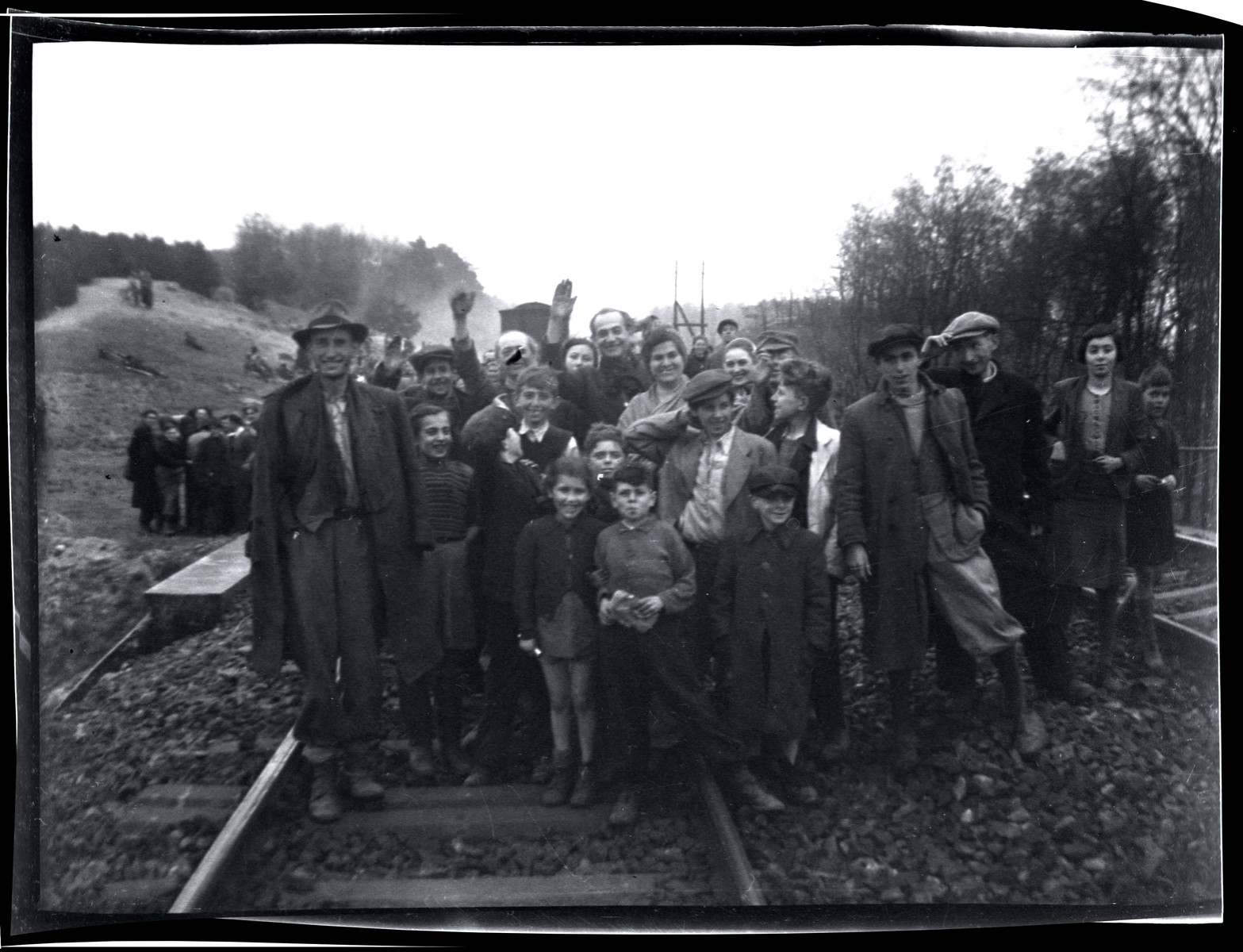
Sources and provenance for frame 1
From tank commander George Gross’s photographs. Date and place follow the individual USHMM record; the order of his exposures within the day is not established. Borders, damage and characteristics of the museum scan are retained.
The individual USHMM record lists Copyright: United States Holocaust Memorial Museum. No Creative Commons licence is stated.
File: 1567 × 1200 px. Downloaded bytes are preserved unchanged; WITNESS has not cropped or retouched the photograph. Source file.
George C. Gross / USHMM, courtesy of George GrossFile on WITNESS · 1567 × 12002. A woman and child
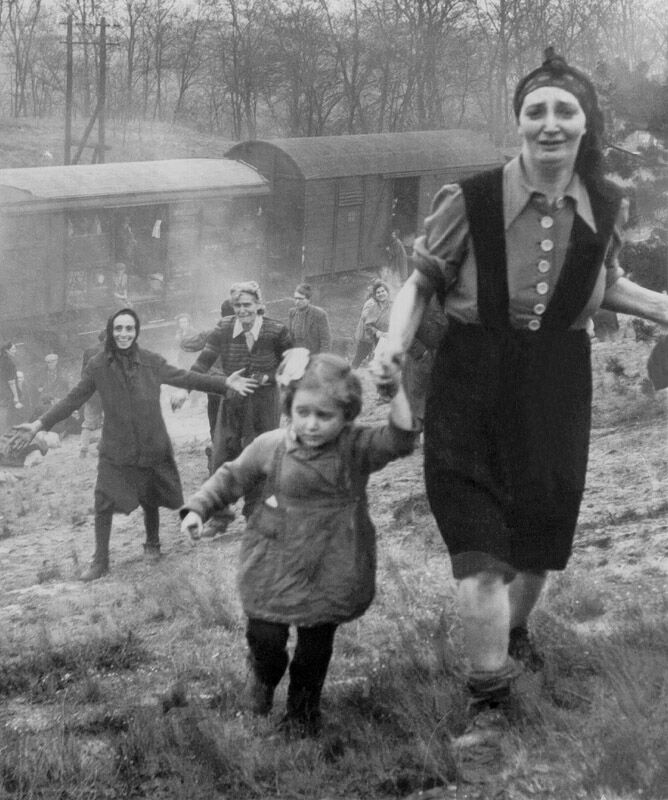
Sources and provenance for frame 2
File from Matthew Rozell’s publication of photographs supplied by Gross. The USHMM record names Clarence Benjamin as the photographer and only tentatively identifies the woman as Shlima Spitzer. The caption does not assert that identification. Gross’s later account connects the scene to the arrival of the tanks; the image alone cannot establish the precise instant when people learned they were free.
USHMM lists copies from the Gross collection and NARA, marking the NARA source Public Domain and museum copies Copyright USHMM. No Creative Commons licence is stated for Rozell’s file.
File: 668 × 800 px. Downloaded bytes are preserved unchanged; WITNESS has not cropped or retouched the photograph. Source file.
Clarence L. Benjamin / George Gross collection / Matthew RozellFile on WITNESS · 668 × 8003. The rear of the train
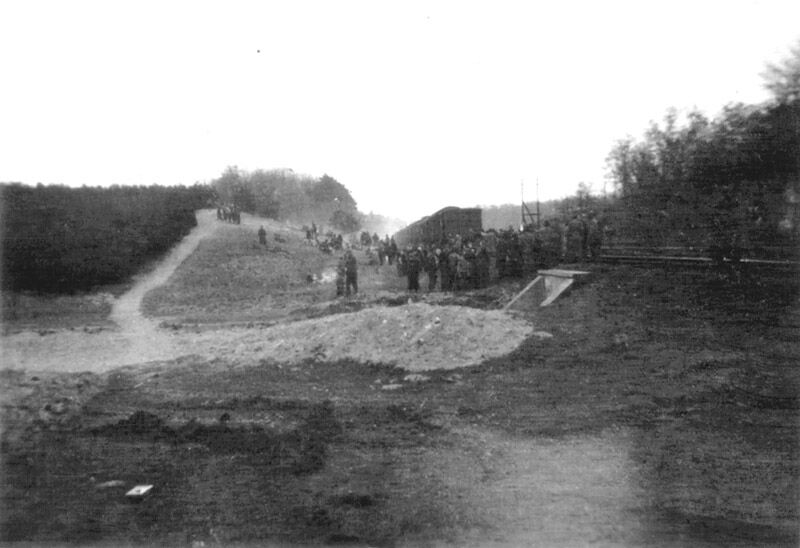
Sources and provenance for frame 3
From Matthew Rozell’s gallery with captions supplied by Gross himself. Date and authorship follow the publisher. This is a small available copy; its grain and detail are retained.
No separate licence is stated for this file from the Gross collection.
File: 800 × 548 px. Downloaded bytes are preserved unchanged; WITNESS has not cropped or retouched the photograph. Source file.
George C. Gross / family collection / Matthew RozellFile on WITNESS · 800 × 5484. Beside the end carriage
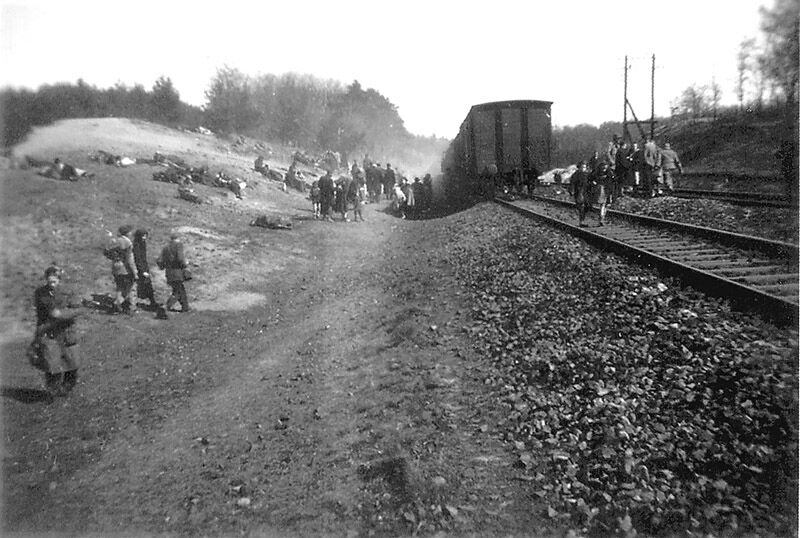
Sources and provenance for frame 4
From Matthew Rozell’s gallery with captions supplied by Gross himself. Date and authorship follow the publisher. This is a small available copy; its grain and detail are retained.
No separate licence is stated for this file from the Gross collection.
File: 800 × 538 px. Downloaded bytes are preserved unchanged; WITNESS has not cropped or retouched the photograph. Source file.
George C. Gross / family collection / Matthew RozellFile on WITNESS · 800 × 5385. Children from the train

Sources and provenance for frame 5
From Matthew Rozell’s gallery with captions supplied by Gross himself. Date and authorship follow the publisher. This is a small available copy; its grain and detail are retained.
No separate licence is stated for this file from the Gross collection.
File: 800 × 550 px. Downloaded bytes are preserved unchanged; WITNESS has not cropped or retouched the photograph. Source file.
George C. Gross / family collection / Matthew RozellFile on WITNESS · 800 × 5506. Passenger carriages
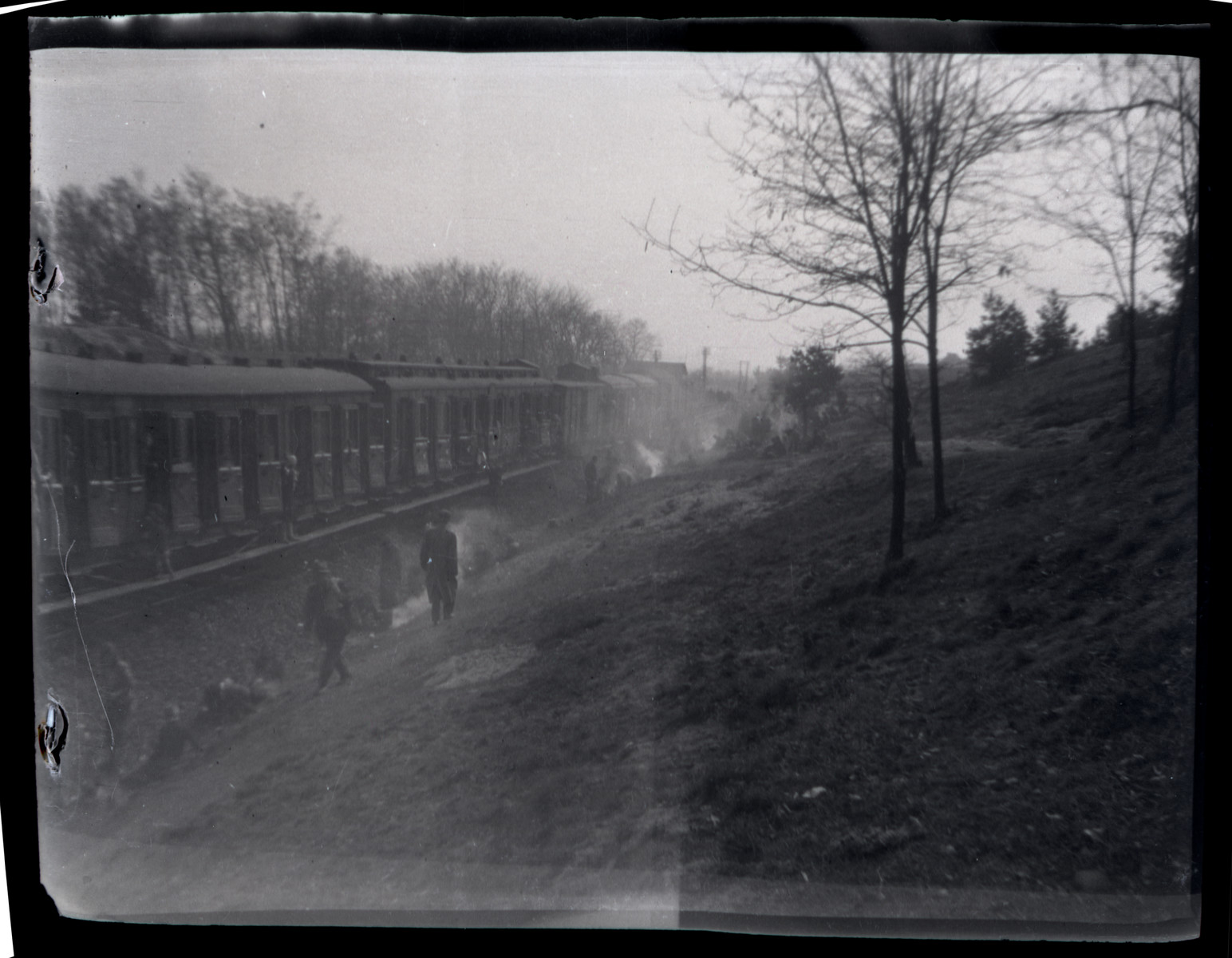
Sources and provenance for frame 6
From tank commander George Gross’s photographs. Date and place follow the individual USHMM record; the order of his exposures within the day is not established. Borders, damage and characteristics of the museum scan are retained.
The individual USHMM record lists Copyright: United States Holocaust Memorial Museum. No Creative Commons licence is stated.
File: 1544 × 1200 px. Downloaded bytes are preserved unchanged; WITNESS has not cropped or retouched the photograph. Source file.
George C. Gross / USHMM, courtesy of George GrossFile on WITNESS · 1544 × 12007. A group beside the carriages
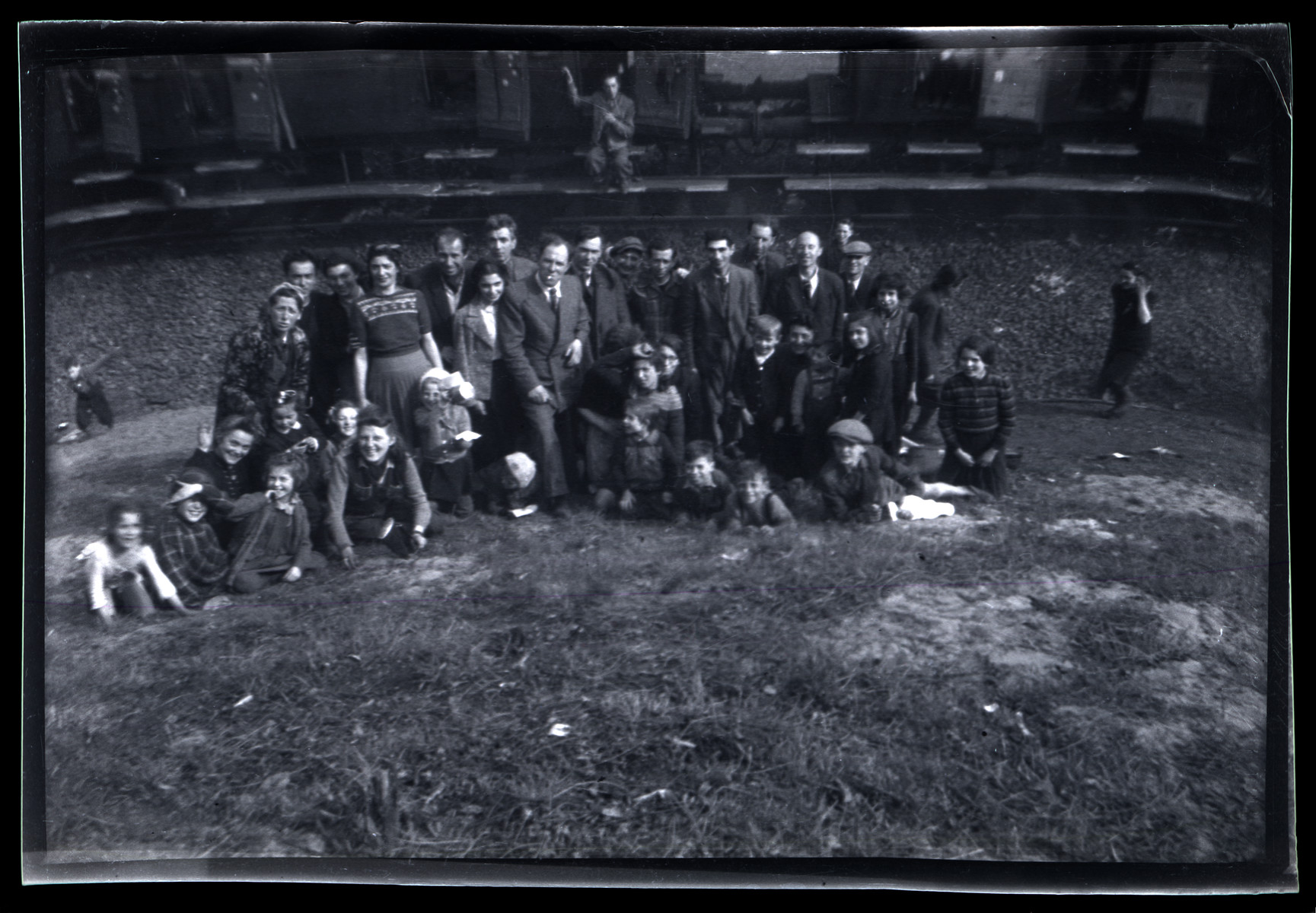
Sources and provenance for frame 7
From tank commander George Gross’s photographs. Date and place follow the individual USHMM record; the order of his exposures within the day is not established. Borders, damage and characteristics of the museum scan are retained.
The individual USHMM record lists Copyright: United States Holocaust Memorial Museum. No Creative Commons licence is stated.
File: 1729 × 1200 px. Downloaded bytes are preserved unchanged; WITNESS has not cropped or retouched the photograph. Source file.
George C. Gross / USHMM, courtesy of George GrossFile on WITNESS · 1729 × 12008. A child among adults
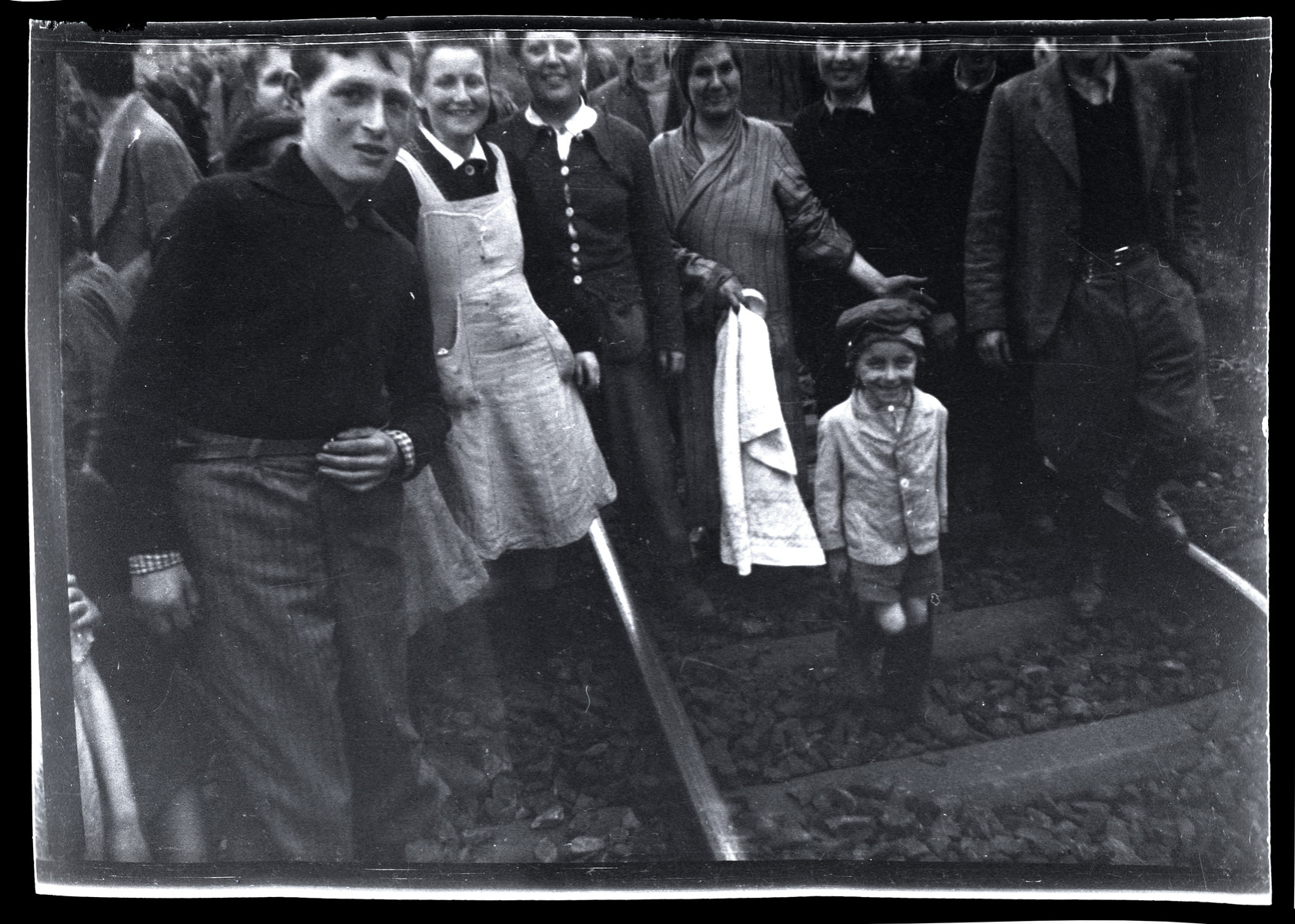
Sources and provenance for frame 8
From tank commander George Gross’s photographs. Date and place follow the individual USHMM record; the order of his exposures within the day is not established. Borders, damage and characteristics of the museum scan are retained. Rozell publishes the same image under the title Mother and Son. The fuller, higher-quality museum copy is used here; names and family relationships have not been independently established.
The individual USHMM record lists Copyright: United States Holocaust Memorial Museum. No Creative Commons licence is stated.
File: 1682 × 1200 px. Downloaded bytes are preserved unchanged; WITNESS has not cropped or retouched the photograph. Source file.
George C. Gross / USHMM, courtesy of George GrossFile on WITNESS · 1682 × 12009. Gina with other survivors
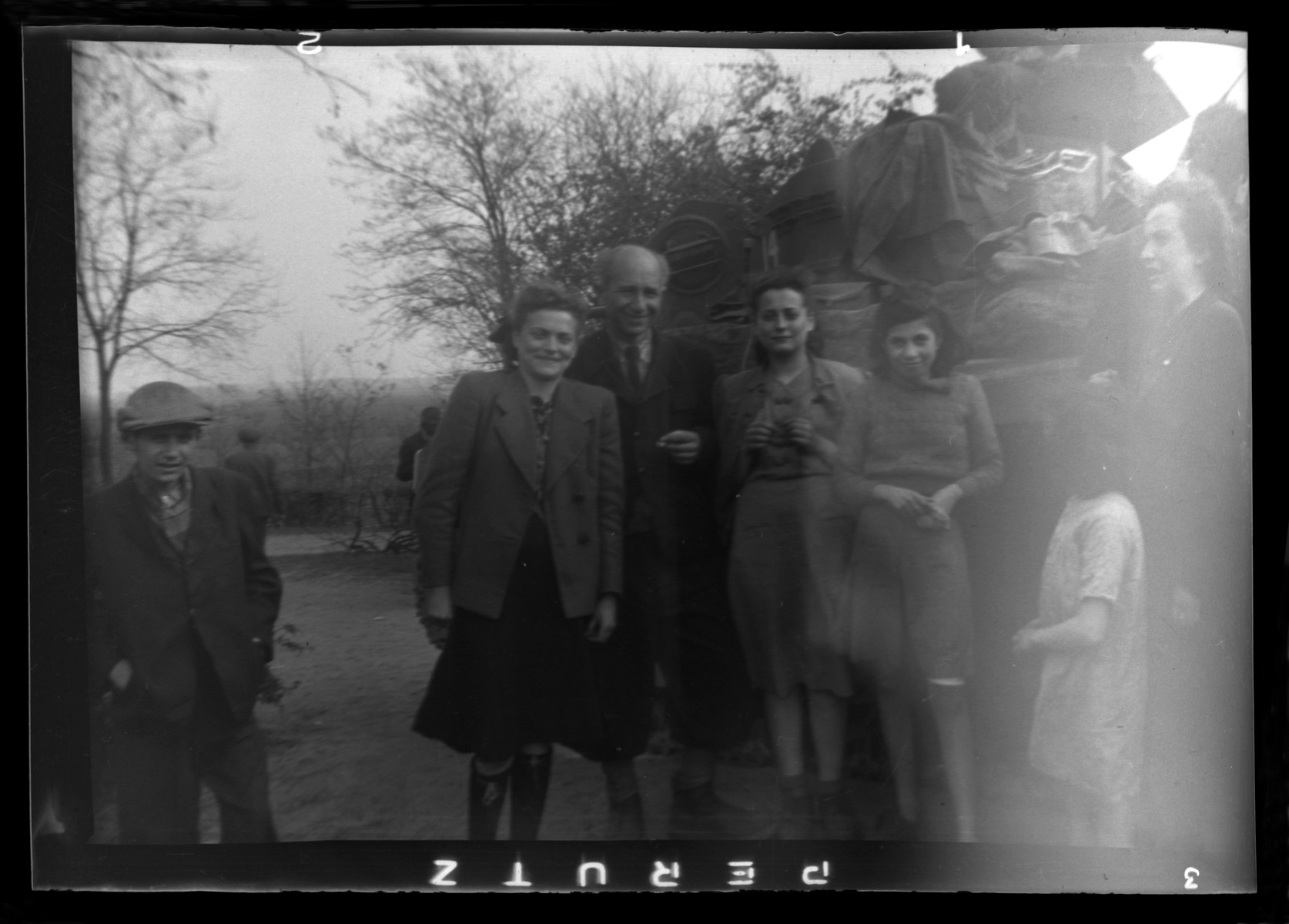
Sources and provenance for frame 9
From tank commander George Gross’s photographs. Date and place follow the individual USHMM record; the order of his exposures within the day is not established. Borders, damage and characteristics of the museum scan are retained. Gina is named in the individual USHMM caption. The catalogue also names Blanka Rapaport, but the position given is ambiguous; no specific figure is identified here as Blanka.
The individual USHMM record lists Copyright: United States Holocaust Memorial Museum. No Creative Commons licence is stated.
File: 1674 × 1200 px. Downloaded bytes are preserved unchanged; WITNESS has not cropped or retouched the photograph. Source file.
George C. Gross / USHMM, courtesy of George GrossFile on WITNESS · 1674 × 120010. Gina beside the tank

Sources and provenance for frame 10
From tank commander George Gross’s photographs. Date and place follow the individual USHMM record; the order of his exposures within the day is not established. Borders, damage and characteristics of the museum scan are retained. The older photo caption places Gina in the Warsaw ghetto. Her own account and the museum’s current biographical record describe Kraków and Tarnów; the Warsaw claim is not repeated here.
The individual USHMM record lists Copyright: United States Holocaust Memorial Museum. No Creative Commons licence is stated.
File: 1683 × 1200 px. Downloaded bytes are preserved unchanged; WITNESS has not cropped or retouched the photograph. Source file.
George C. Gross / USHMM, courtesy of George GrossFile on WITNESS · 1683 × 120011. Leah Zak
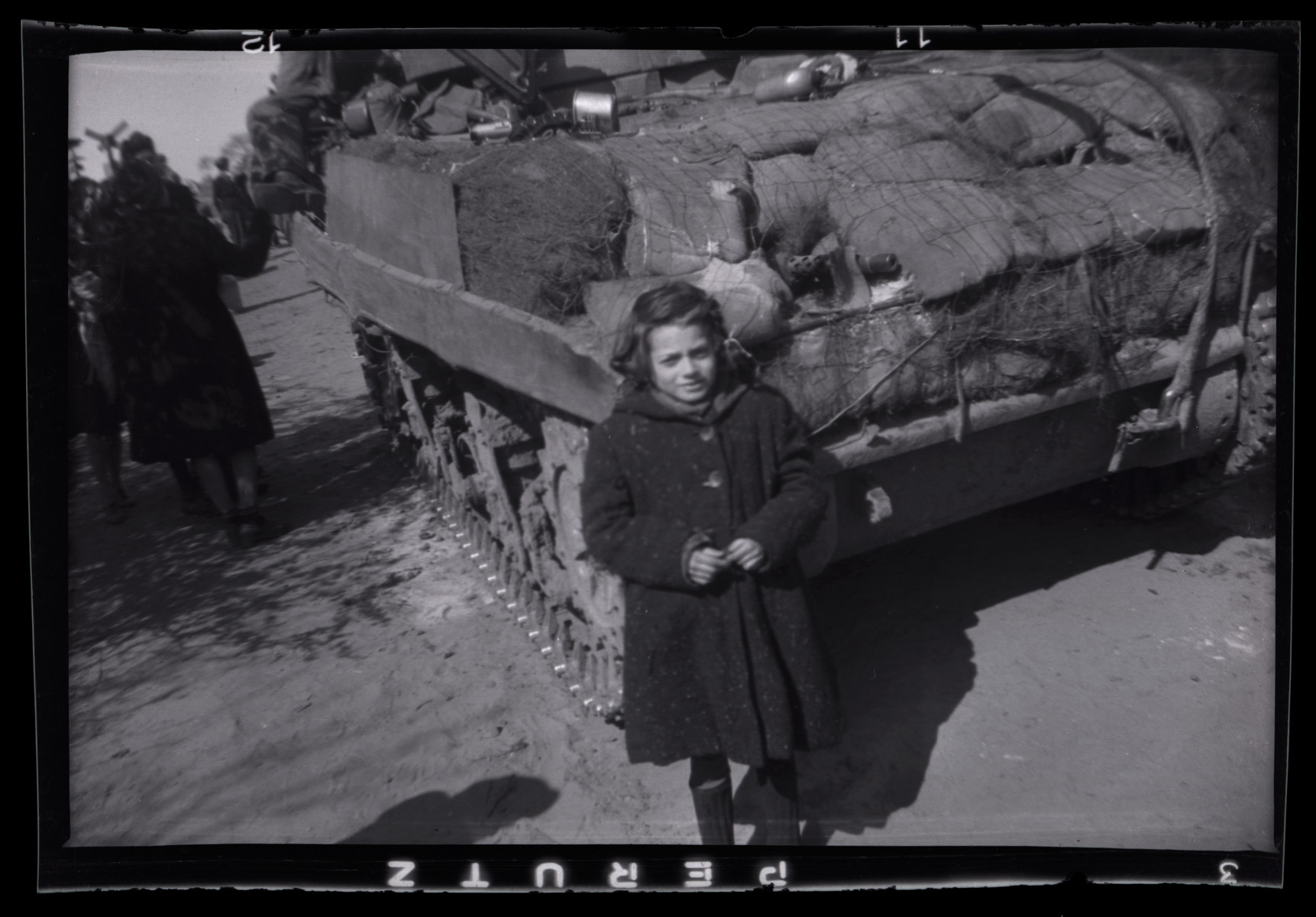
Sources and provenance for frame 11
From tank commander George Gross’s photographs. Date and place follow the individual USHMM record; the order of his exposures within the day is not established. Borders, damage and characteristics of the museum scan are retained. Name and family relationship follow a later museum identification, not an inference from appearance.
The individual USHMM record lists Copyright: United States Holocaust Memorial Museum. No Creative Commons licence is stated.
File: 1723 × 1200 px. Downloaded bytes are preserved unchanged; WITNESS has not cropped or retouched the photograph. Source file.
George C. Gross / USHMM, courtesy of George GrossFile on WITNESS · 1723 × 120012. Gina beside the railway
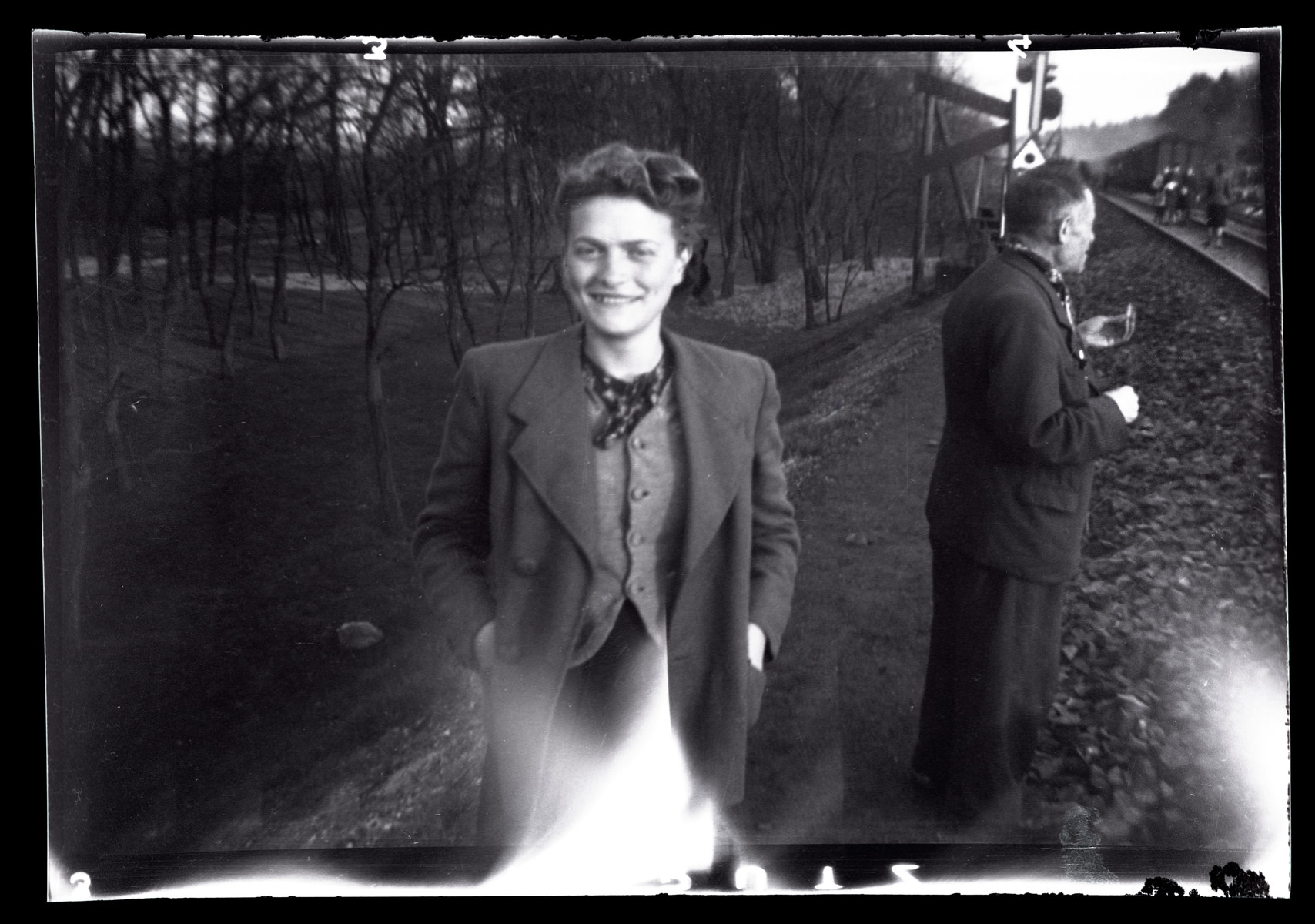
Sources and provenance for frame 12
From tank commander George Gross’s photographs. Date and place follow the individual USHMM record; the order of his exposures within the day is not established. Borders, damage and characteristics of the museum scan are retained. The pale band is present in the museum file. The correction concerning Kraków and Tarnów also applies to this record, which repeats the older Warsaw caption.
The individual USHMM record lists Copyright: United States Holocaust Memorial Museum. No Creative Commons licence is stated.
File: 1708 × 1200 px. Downloaded bytes are preserved unchanged; WITNESS has not cropped or retouched the photograph. Source file.
George C. Gross / USHMM, courtesy of George GrossFile on WITNESS · 1708 × 120013. Beside the train the next day

Sources and provenance for frame 13
NARA 111-SC-203473, Album 5292; USHMM copy. This is a separate source dated to the day after liberation, not an exposure from Gross’s 13 April series. The museum record does not name an individual photographer.
USHMM marks the NARA source as Public Domain; additional museum copies are listed separately.
File: 1486 × 1200 px. Downloaded bytes are preserved unchanged; WITNESS has not cropped or retouched the photograph. Source file.
Photographer uncredited / NARA / USHMMFile on WITNESS · 1486 × 120014. Writing on the carriage

Sources and provenance for frame 14
This photograph comes from a different family collection. The catalogue’s date and location are retained with their qualifications. Its position in the collection does not establish the precise travel sequence. The archive’s reading of the inscription about going to Israel via France is not treated as evidence of the route actually taken.
The record lists Copyright: United States Holocaust Memorial Museum; provenance: Mark Nusbaum.
File: 1800 × 1188 px. Downloaded bytes are preserved unchanged; WITNESS has not cropped or retouched the photograph. Source file.
Photographer uncredited / USHMM, Mark Nusbaum collectionFile on WITNESS · 1800 × 118815. George Gross and Carrol Walsh

Sources and provenance for frame 15
Gross identifies the men on the left and right in his caption published by Rozell. This is a separate portrait of the participants, not a confirmed photograph at the train. Gross supplied the image but is not identified as its photographer.
No Creative Commons licence is stated.
File: 800 × 591 px. Downloaded bytes are preserved unchanged; WITNESS has not cropped or retouched the photograph. Source file.
Photographer uncredited / George Gross collection / Matthew RozellFile on WITNESS · 800 × 59116. Peter Lantos with his mother
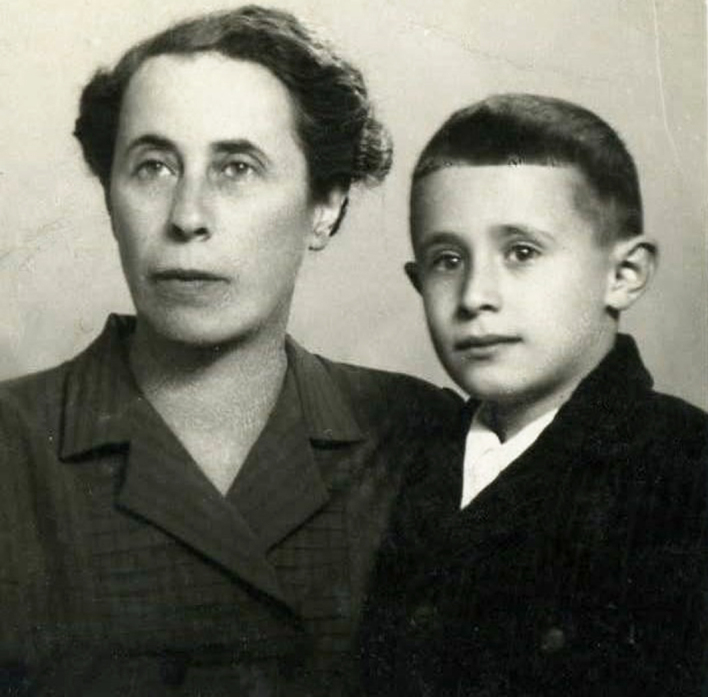
Sources and provenance for frame 16
Figure 5 in Lantos’s autobiographical article Between two worlds, 2020. Lantos himself dates it to 1946.
Peter Lantos’s publication: © 2020 The author(s), CC BY 4.0. The individual photographer is not named. The copy is unchanged.
File: 708 × 697 px. Downloaded bytes are preserved unchanged; WITNESS has not cropped or retouched the photograph. Source file.
Photographer uncredited / Peter Lantos / Free NeuropathologyFile on WITNESS · 708 × 69717. Meeting in San Diego
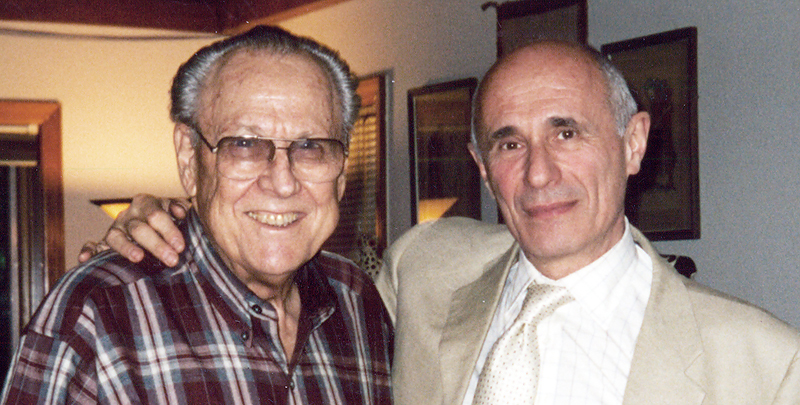
Sources and provenance for frame 17
Figure 6 in Lantos’s autobiographical article; the full journal file is used, larger than the PMC copy.
Peter Lantos’s publication: © 2020 The author(s), CC BY 4.0. The individual photographer is not named. The copy is unchanged.
File: 800 × 405 px. Downloaded bytes are preserved unchanged; WITNESS has not cropped or retouched the photograph. Source file.
Photographer uncredited / Peter Lantos / Free NeuropathologyFile on WITNESS · 800 × 40518. Gina reading Gross’s account

Sources and provenance for frame 18
The family photograph appears in Rozell’s publication about Gina’s account. The original JPEG from the older publication is used, rather than the smaller preview in the current article. The date imprint is retained.
The publication does not name the photographer or state an open licence.
File: 2816 × 2112 px. Downloaded bytes are preserved unchanged; WITNESS has not cropped or retouched the photograph. Source file.
Photographer uncredited / Gina Rappaport’s family / Matthew RozellFile on WITNESS · 2816 × 211219. Hillersleben cemetery
Sources and provenance for frame 19
Photograph from the cemetery’s official Elbe-Heide municipal page. The available file is 400 × 298 px; the page supplies no larger original. It has not been enlarged to conceal its limited resolution.
The page does not identify the photographer or state a licence.
File: 400 × 298 px. Downloaded bytes are preserved unchanged; WITNESS has not cropped or retouched the photograph. Source file.
Photographer uncredited / Verbandsgemeinde Elbe-HeideFile on WITNESS · 400 × 29820. A memorial beside the railway
Sources and provenance for frame 20
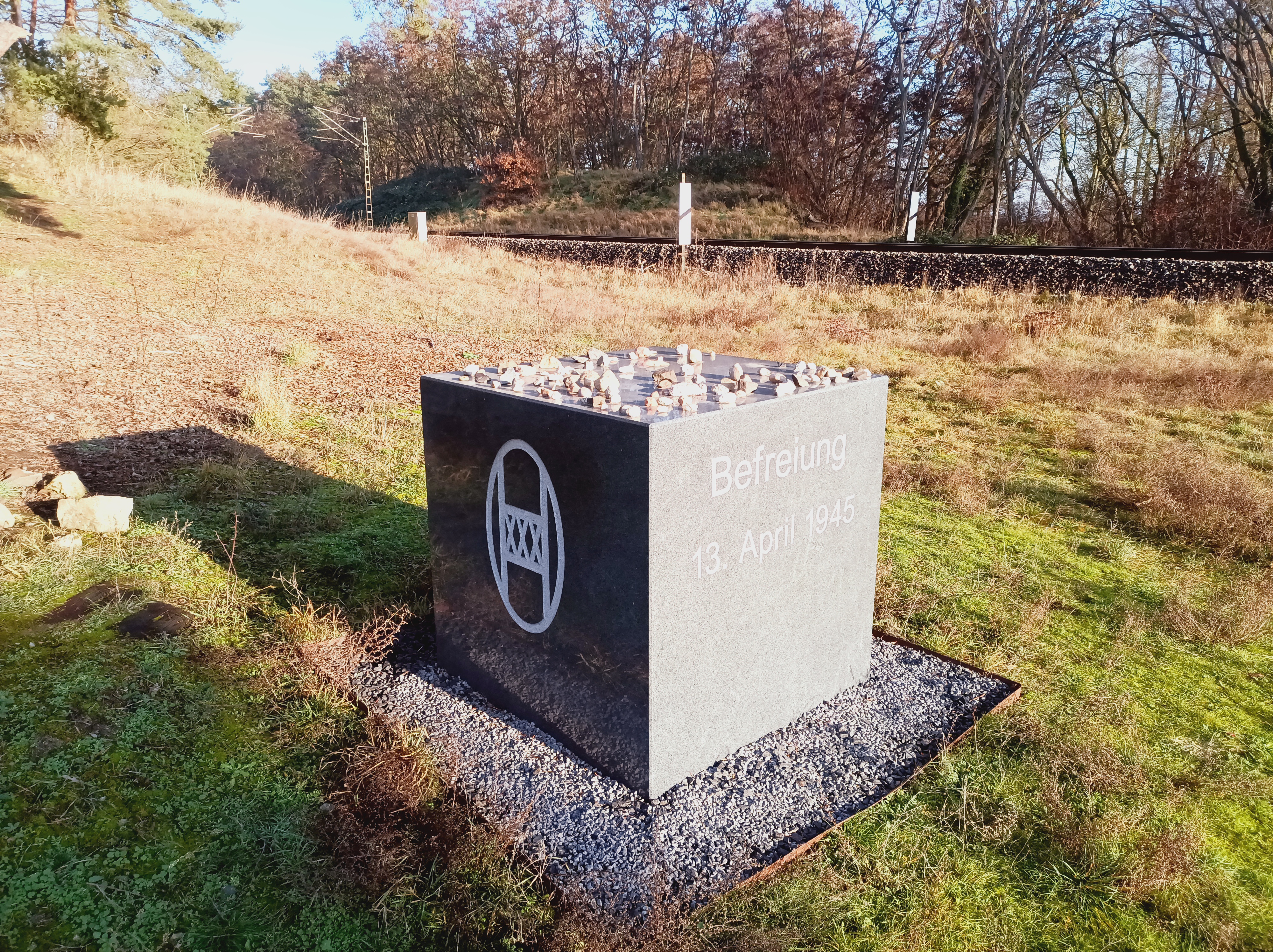
A modern photograph of the memorial, not an image of liberation. The capture date and contributor’s name follow the original Wikimedia Commons record.
The photographer released the image under CC0 1.0.
File: 4000 × 2992 px. Downloaded bytes are preserved unchanged; WITNESS has not cropped or retouched the photograph. Source file.
Rappel1 / Wikimedia CommonsFile on WITNESS · 4000 × 299221. Modern AI colourisation
Sources and provenance for frame 21
An existing derivative published on Asar Studios’ own Flickr page. It is a modern treatment of the historical photograph of 13 April 1945; a black-and-white version appears separately in this collection. The publisher explicitly identifies AI colourisation but does not name the model or settings. The date 11 February 2021 is the upload date of the treatment. WITNESS did not create this version or verify its added colours as historical evidence. This is the publicly displayed 855 × 1024 px copy.
The creator’s page states All rights reserved. No Creative Commons or other open-use licence is stated; the status of the historical original is not transferred to the modern treatment.
File: 855 × 1024 px. Downloaded bytes are preserved unchanged; WITNESS has not cropped or retouched the photograph. Source file.
Colourisation: Asar Studios / original photograph: Clarence L. BenjaminFile on WITNESS · 855 × 1024