W–052 · 1915 · album published in 1917 · Sheykhalan, Mush region, Ottoman Empire
Sheykhalan and the Refugees’ Album
The Armenian inhabitants of Sheykhalan, in the Mush region, were burned alive. That is how a Russian inscription on the back of the surviving print describes their deaths. Russian servicemen stand among the remains. The Armenian Genocide Museum-Institute dates the photograph to 1915 and attributes it to Russian soldiers on the Caucasus front. The individual photographer is unknown.
1. Sheykhalan
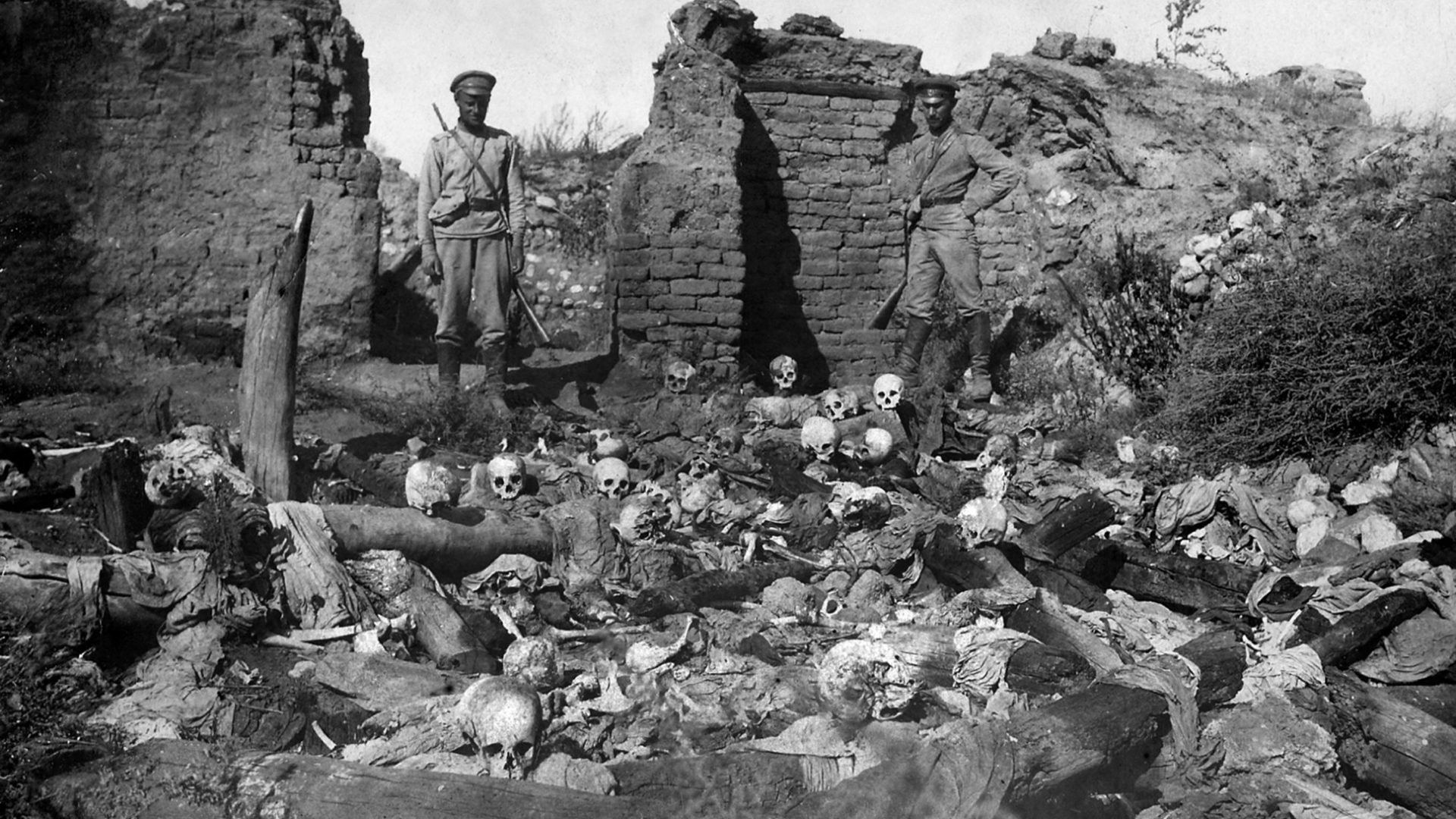
Provenance and sources for frame 1
File and rights
1920 × 1080 monochrome copy from Wikimedia Commons, whose record classifies the image as public domain. The museum establishes the place and year but does not name the photographer. A later colour version is omitted because its maker and method have not been established.
During the First World War, the Young Turk government accused Armenians of supporting Russia. On 24 April 1915, hundreds of Armenian public and cultural figures were arrested in Constantinople. That date became the day of remembrance for the genocide. In May, deportations spread to districts far from the front: belonging to a people declared disloyal was enough to be driven from home.
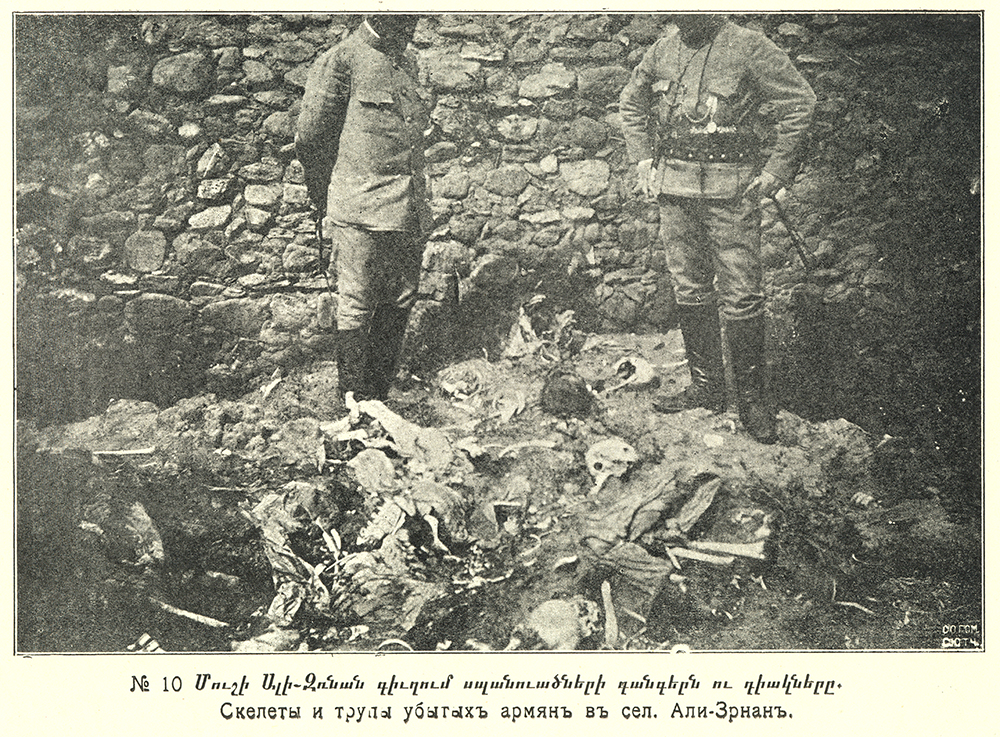
Armenians were driven from their homes and sent south towards the empire’s desert regions. Deportation columns came under attack; people died from murder, starvation, disease and exhaustion. Massacres in towns and villages were another part of the destruction. The United States Holocaust Memorial Museum estimates that between 664,000 and 1.2 million Armenians died from spring 1915 to autumn 1916. Tens of thousands of children were taken from their families and forcibly converted to Islam.
Some refugees reached the Caucasus. Charitable societies, doctors and the Armenian Central Committee in Tiflis organised relief. The committee supported sixteen orphanages in Tiflis, Dilijan and Alexandropol. The Caucasian Armenian Charitable Society maintained another twenty-eight. During the war these organisations worked together, raising funds for medical care, food and shelter for refugees.
2. The Tiflis edition
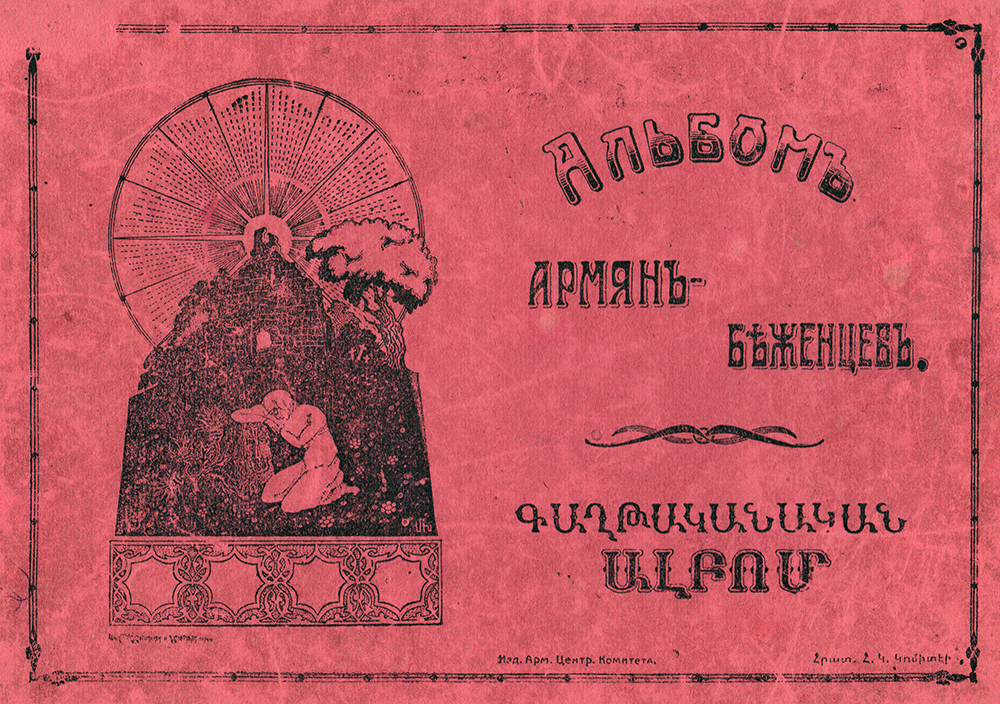
Provenance and sources for frame 2
File and rights
Complete 1000 × 704 museum reproduction of the 1917 cover. No free licence is stated for the digital publication.
3. The charitable society
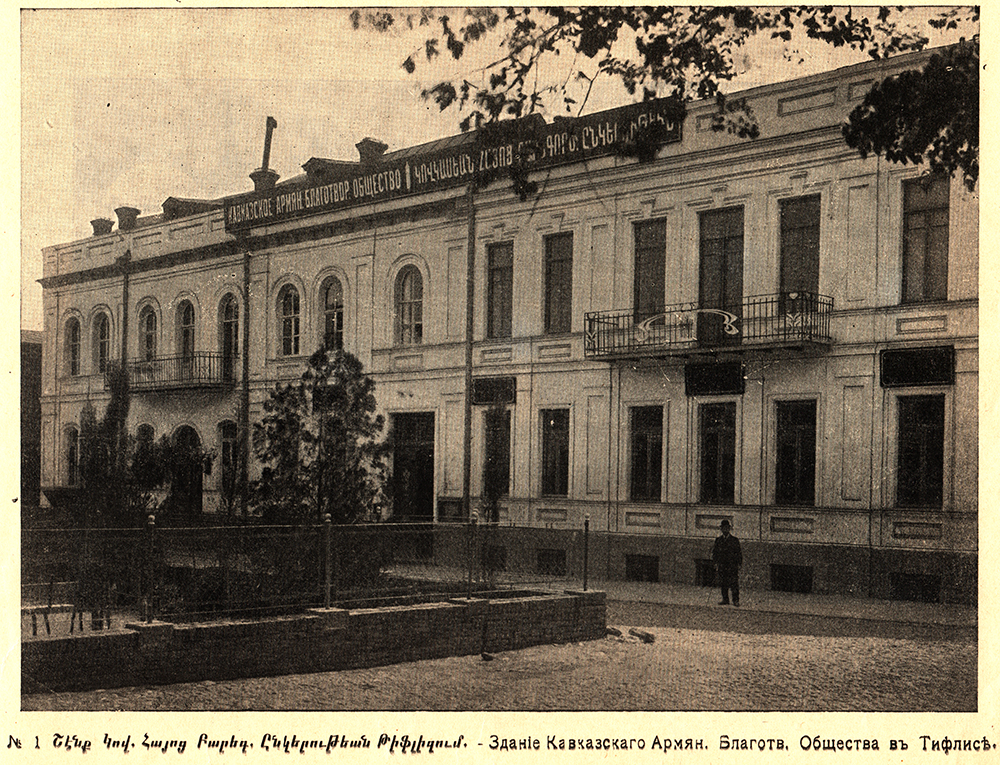
Provenance and sources for frame 3
File and rights
Complete historical album sheet, including its printed captions; the precise exposure date is not stated. File published by the Armenian Genocide Museum-Institute. The mark “Sogom. Siutch.” on some sheets does not securely identify the photographer. The museum states no free licence for its digital publication.
4. Ali-Zrnan
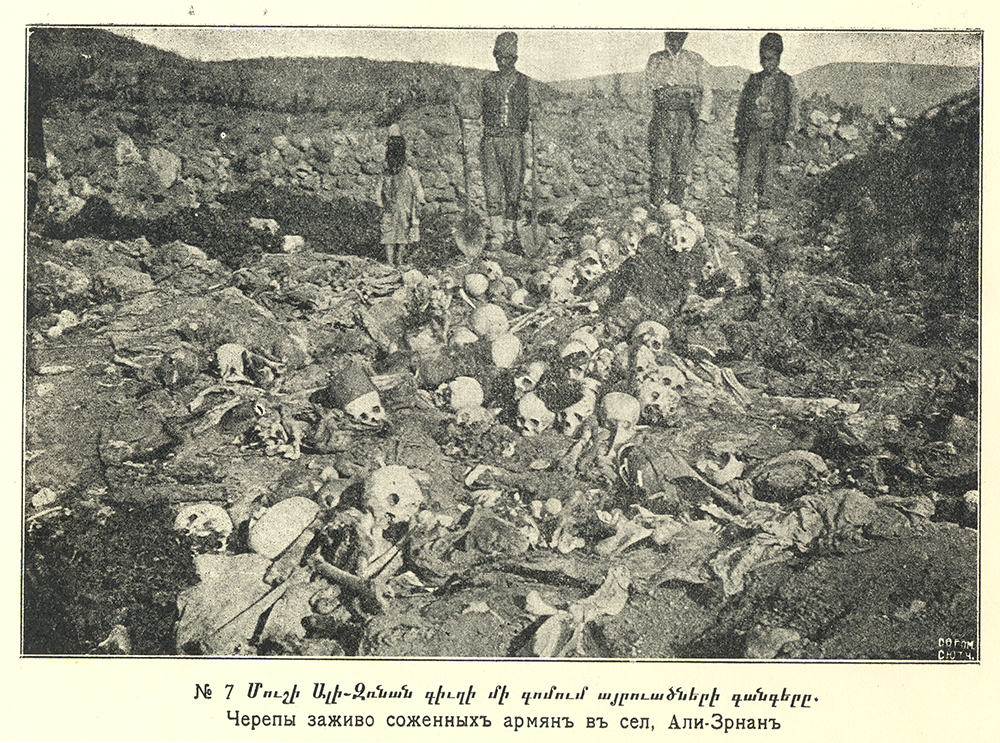
Provenance and sources for frame 4
File and rights
Complete historical album sheet, including its printed captions; the precise exposure date is not stated. File published by the Armenian Genocide Museum-Institute. The mark “Sogom. Siutch.” on some sheets does not securely identify the photographer. The museum states no free licence for its digital publication.
5. Below the Bitlis bridge

Provenance and sources for frame 5
File and rights
Complete historical album sheet, including its printed captions; the precise exposure date is not stated. File published by the Armenian Genocide Museum-Institute. The mark “Sogom. Siutch.” on some sheets does not securely identify the photographer. The museum states no free licence for its digital publication.
6. Remains at Ali-Zrnan
Provenance and sources for frame 6
File and rights
Complete historical album sheet, including its printed captions; the precise exposure date is not stated. File published by the Armenian Genocide Museum-Institute. The mark “Sogom. Siutch.” on some sheets does not securely identify the photographer. The museum states no free licence for its digital publication.
7. Trebizond

Provenance and sources for frame 7
File and rights
Complete historical album sheet, including its printed captions; the precise exposure date is not stated. File published by the Armenian Genocide Museum-Institute. The mark “Sogom. Siutch.” on some sheets does not securely identify the photographer. The museum states no free licence for its digital publication.
8. A road near Mush

Provenance and sources for frame 8
File and rights
Complete historical album sheet, including its printed captions; the precise exposure date is not stated. File published by the Armenian Genocide Museum-Institute. The mark “Sogom. Siutch.” on some sheets does not securely identify the photographer. The museum states no free licence for its digital publication.
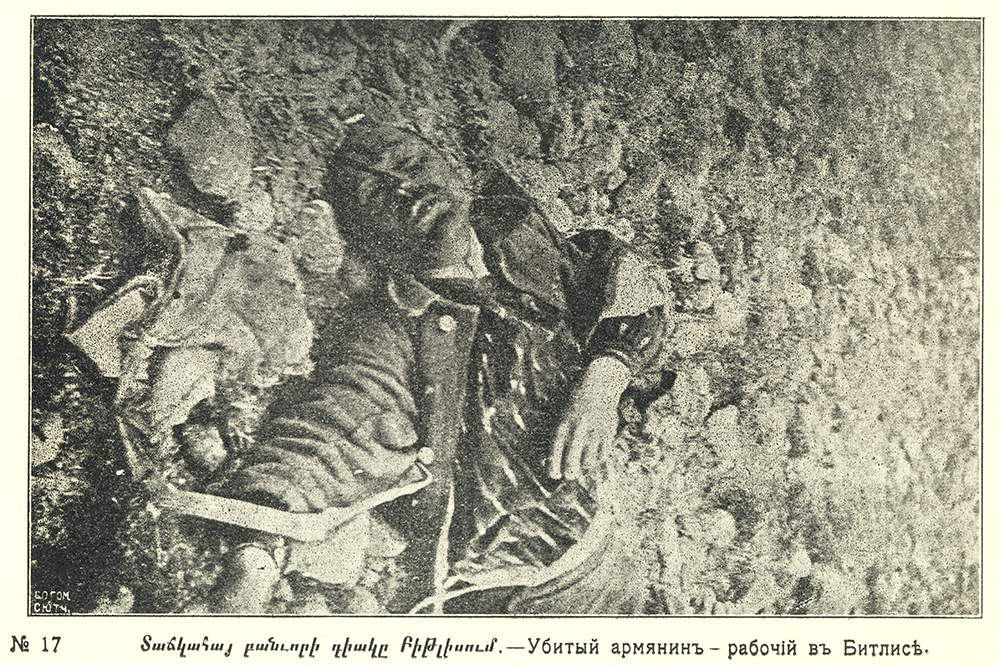
9. A labourer in Bitlis
Provenance and sources for frame 9
File and rights
Complete historical album sheet, including its printed captions; the precise exposure date is not stated. File published by the Armenian Genocide Museum-Institute. The mark “Sogom. Siutch.” on some sheets does not securely identify the photographer. The museum states no free licence for its digital publication.
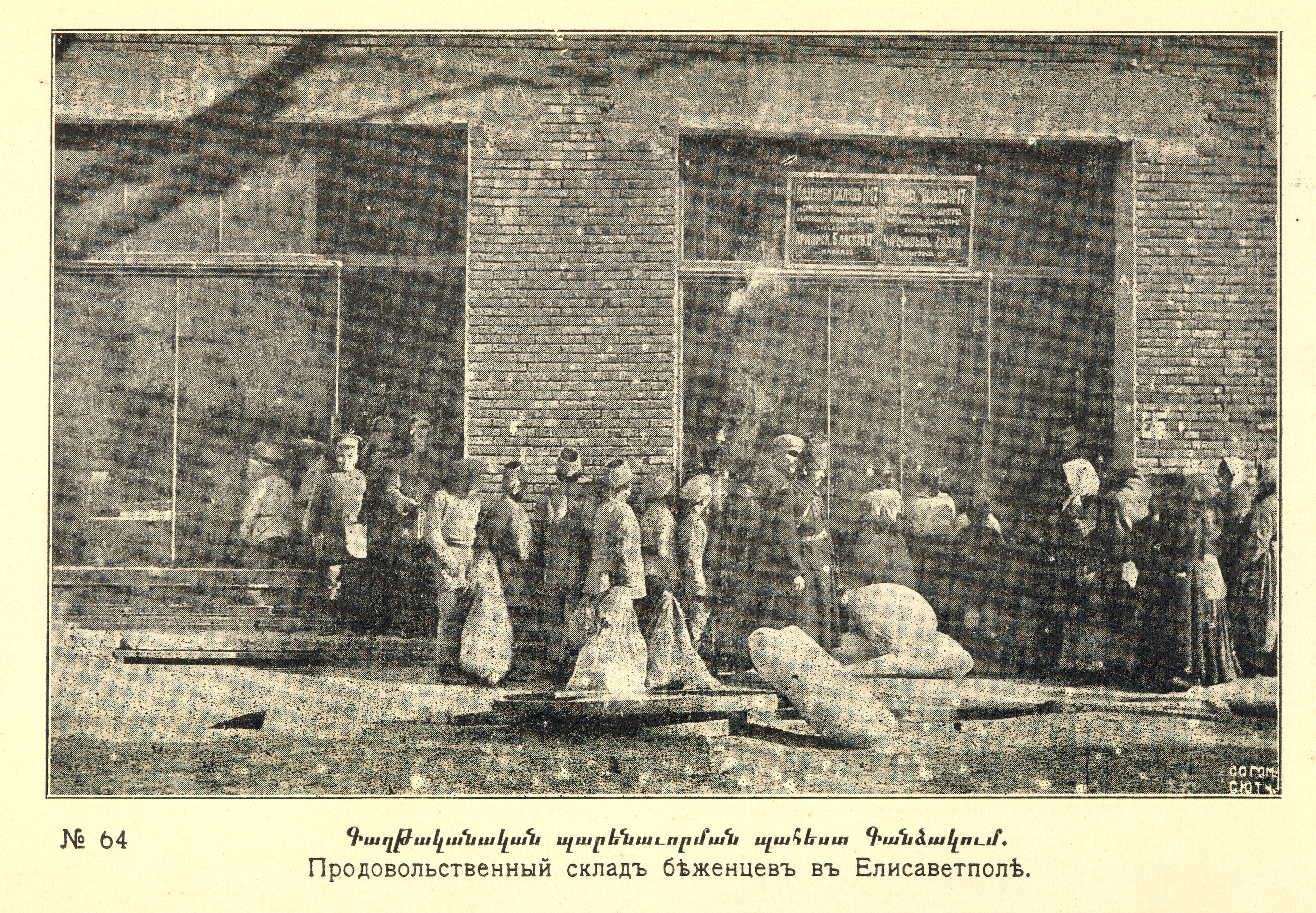
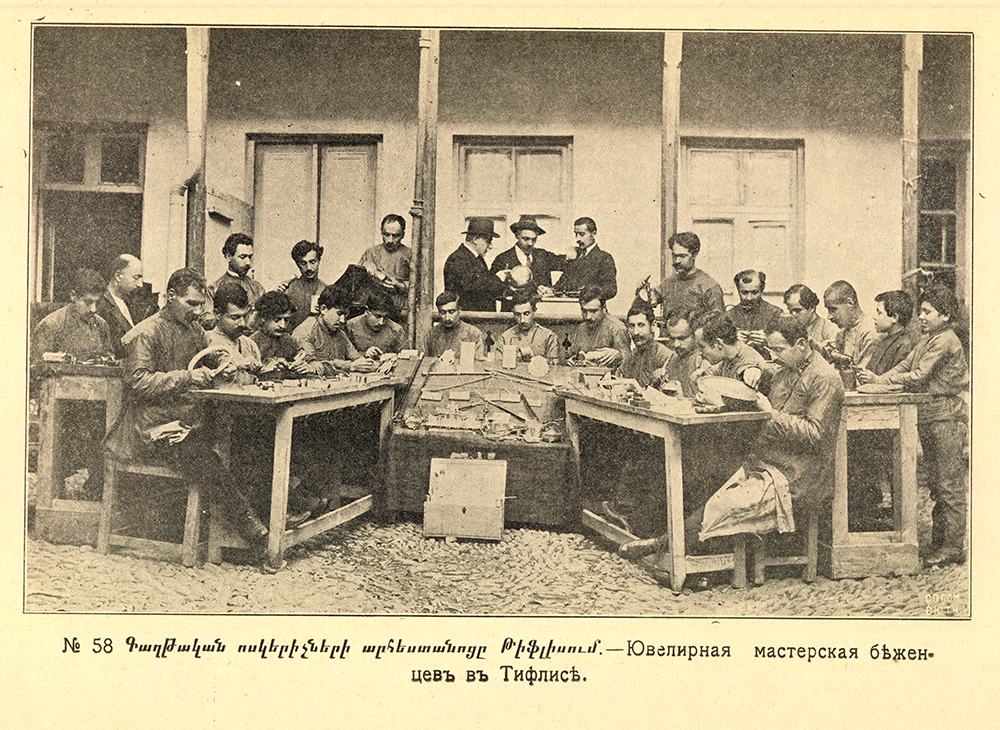
Relief also meant everyday work. There was a temporary shelter in Igdir, a food warehouse in Elisavetpol, and workshops in Tiflis where refugees wove cloth and worked as jewellers. In 1917, the Armenian Central Committee included these places in the Album of Armenian Refugees, issued by the Progress publishing house in Tiflis. Its 62 photographs brought evidence of massacres together with orphanages and workshops. They concerned people who, having escaped death, still had to rebuild their lives.
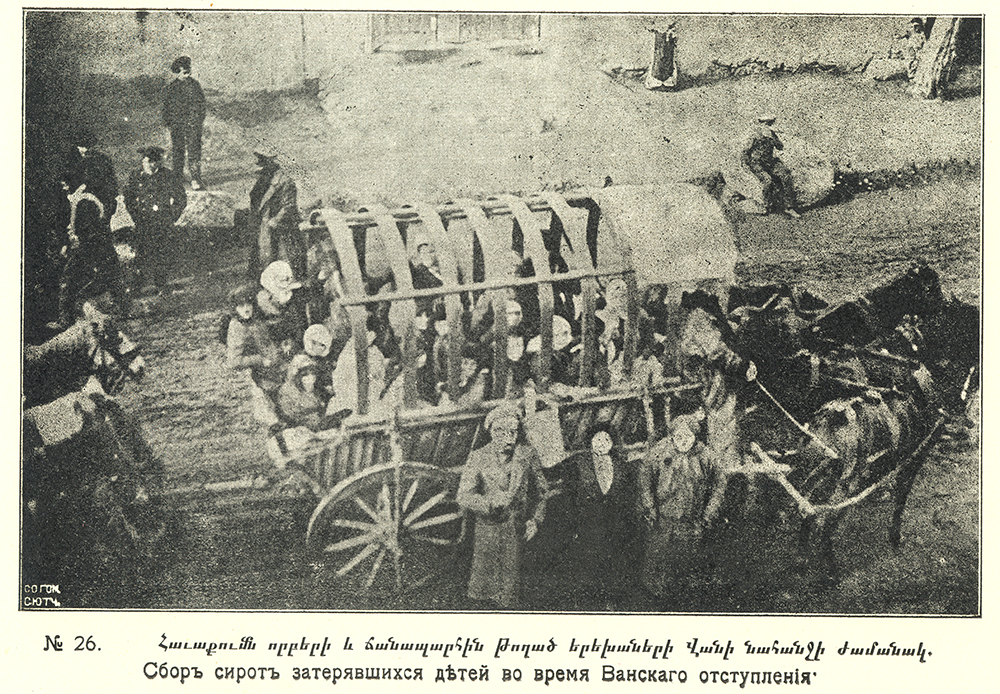
10. Children after the retreat
Provenance and sources for frame 10
File and rights
Complete historical album sheet, including its printed captions; the precise exposure date is not stated. File published by the Armenian Genocide Museum-Institute. The mark “Sogom. Siutch.” on some sheets does not securely identify the photographer. The museum states no free licence for its digital publication.
11. A temporary shelter

Provenance and sources for frame 11
File and rights
Complete historical album sheet, including its printed captions; the precise exposure date is not stated. File published by the Armenian Genocide Museum-Institute. The mark “Sogom. Siutch.” on some sheets does not securely identify the photographer. The museum states no free licence for its digital publication.
12. The food warehouse
Provenance and sources for frame 12
File and rights
Complete historical album sheet, including its printed captions; the precise exposure date is not stated. File published by the Armenian Genocide Museum-Institute. The mark “Sogom. Siutch.” on some sheets does not securely identify the photographer. The museum states no free licence for its digital publication.
13. The jewellery workshop
Provenance and sources for frame 13
File and rights
Complete historical album sheet, including its printed captions; the precise exposure date is not stated. File published by the Armenian Genocide Museum-Institute. The mark “Sogom. Siutch.” on some sheets does not securely identify the photographer. The museum states no free licence for its digital publication.
14. The weaving workshop

Provenance and sources for frame 14
File and rights
Complete historical album sheet, including its printed captions; the precise exposure date is not stated. File published by the Armenian Genocide Museum-Institute. The mark “Sogom. Siutch.” on some sheets does not securely identify the photographer. The museum states no free licence for its digital publication.
The Sheykhalan photograph also appeared in that publication. The museum acquired a separate original print in 2008. A Russian inscription describing the villagers’ deaths by burning survived on the back, with the number 74 on the photograph. The museum’s account names neither the victims nor the photographer. What remains identifiable is the place, the year and the testimony written on the print itself about the villagers’ deaths.
15. Over tea

Provenance and sources for frame 15
File and rights
Complete historical album sheet, including its printed captions; the precise exposure date is not stated. File published by the Armenian Genocide Museum-Institute. The mark “Sogom. Siutch.” on some sheets does not securely identify the photographer. The museum states no free licence for its digital publication.