Death through war photographers’ eyes
W–070
A column from an explosion rises beside soldiers near Kerch. The soldier nearest the camera has his head thrown back and his rifle pointing towards the ground. The catalogue dates Anatoly Garanin’s photograph to May 1942 and titles it “Death of a soldier”.
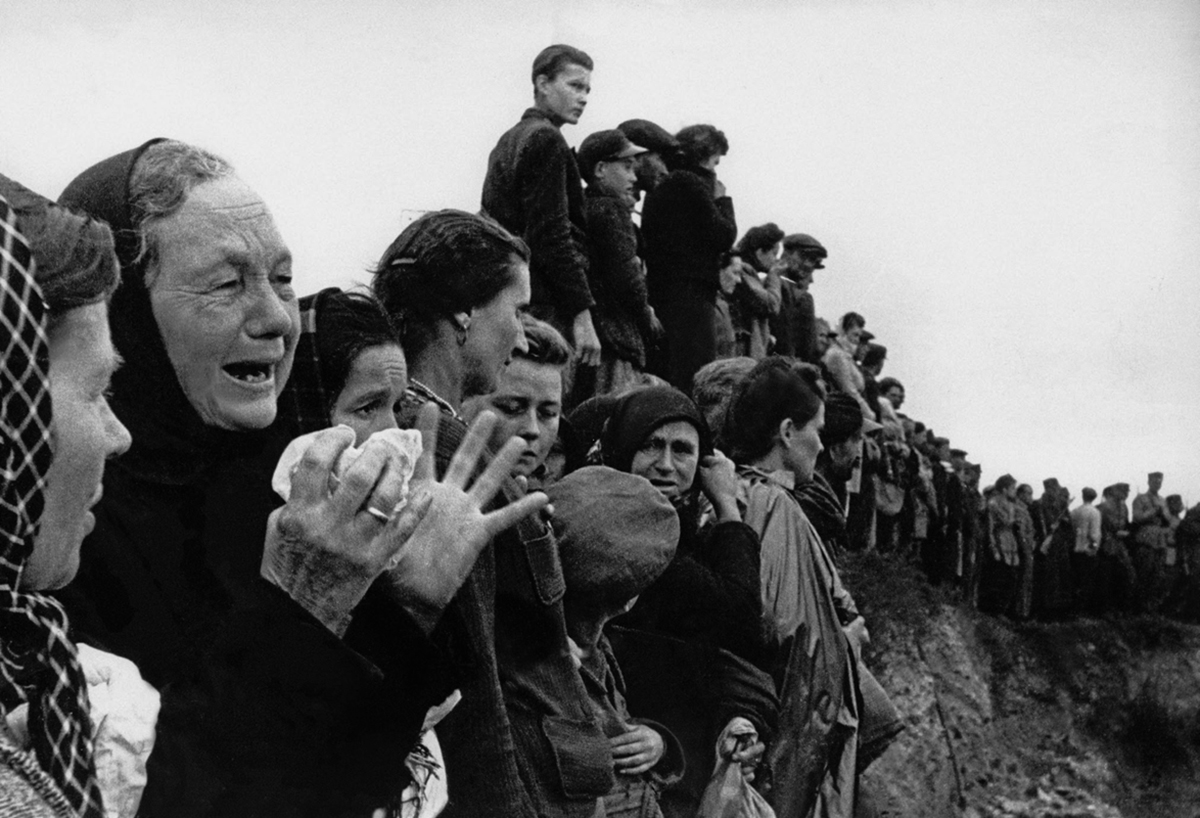
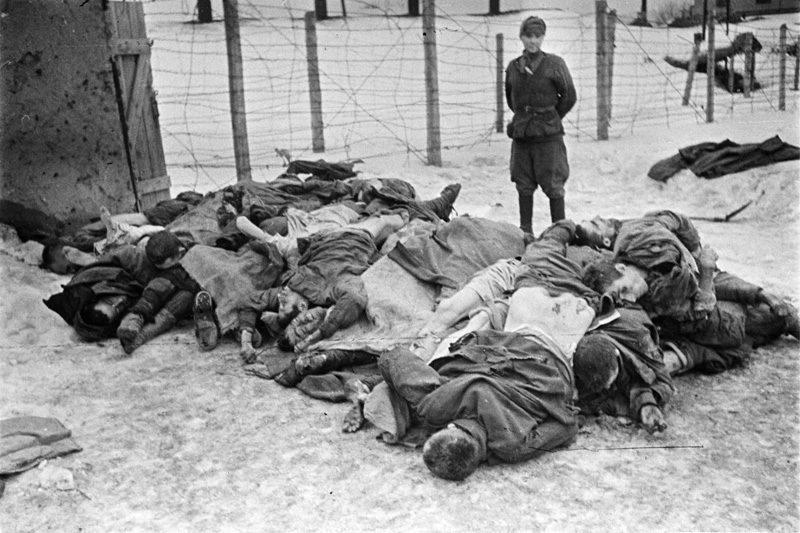
After Germany invaded the Soviet Union on 22 June 1941, German units carried out mass killings of Jews and other civilians behind the front. In December 1941, the Bagerovo anti-tank ditch near Kerch became a site of mass shootings. Yevgeny Khaldei photographed the bodies there in January 1942. That same year, he photographed Kerch residents at a TASS display showing the victims of these killings. People examined the photographs posted on the street while the war was still being fought.
At Babyn Yar outside Kyiv, the mass shooting of Jews took place on 29-30 September 1941. Killings in the ravine continued until autumn 1943. That summer, the Germans forced prisoners to exhume and burn the victims’ remains to conceal the crime. Arkady Shaikhet photographed the ravine after the Red Army returned to Kyiv; the catalogue dates his view to 6-7 November 1943.
In March 1944, the German army established three camps for civilians near Ozarichi. People were held outdoors on marshland without shelter, water or food. They died from cold, hunger and typhus. Soviet troops reached the camps on 18-19 March. The catalogue credits photographs of prisoners leaving to Semyon Alperin and dates them to those same days.
One survivor was Vera Kuryan. Later, Vera Sergeyevna Solonovich, née Kuryan, told Sputnik correspondent Igor Kozlov that Ozarichi was where she had first been photographed. In her recollection, her aunt mistook the photographer for a German in disguise and his camera for a weapon. In the same interview, Vera said that after the war her mother had forbidden her to speak about the camp. MAMM publishes this later account alongside her childhood portrait.
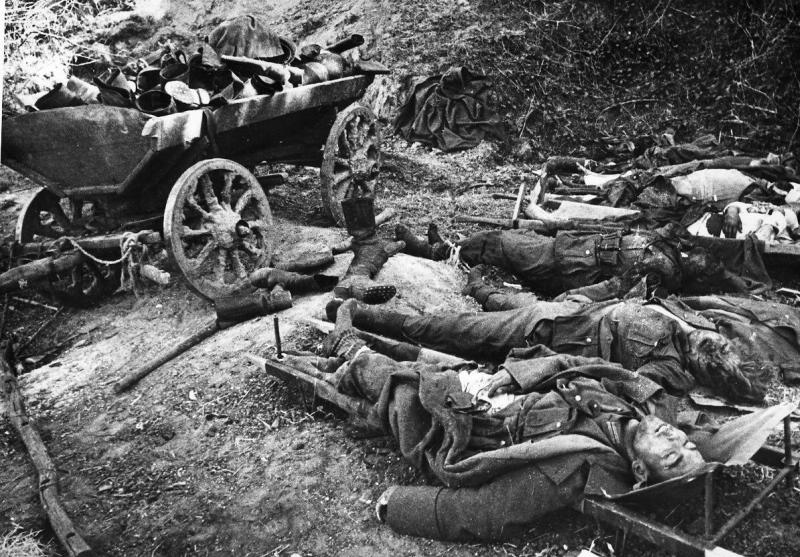
In June 1944, Galina Sanko photographed children behind the wire of Camp No. 6 in Petrozavodsk, a camp established by the Finnish authorities for civilians. The sign above them carries a warning of death by shooting. In July, Soviet troops entered Majdanek near Lublin. Correspondents photographed the camp grounds, human remains and the excavation of graves. The State Museum at Majdanek holds photographs from the first months after liberation, including work by Mikhail Trakhman. The catalogue dates some of Viktor Temin’s photographs to 1945.
Temin also photographed belongings left behind. Dolls fill an open suitcase in one image, which the catalogue associates only tentatively with Majdanek. Another shows portraits and group photographs spread among papers. The catalogue describes them as photographs of people murdered at Majdanek and dates Temin’s image to 1945. It gives neither their names nor the circumstances in which they posed for their portraits.
In 1945, correspondents photographed the dead and the living in the same cities. Khaldei’s February photographs from Budapest include bodies on the streets and survivors of the Jewish ghetto. In April, Shaikhet photographed liberated prisoners at Sachsenhausen. His Berlin photograph, dated May, shows civilians butchering horse carcasses in the street.
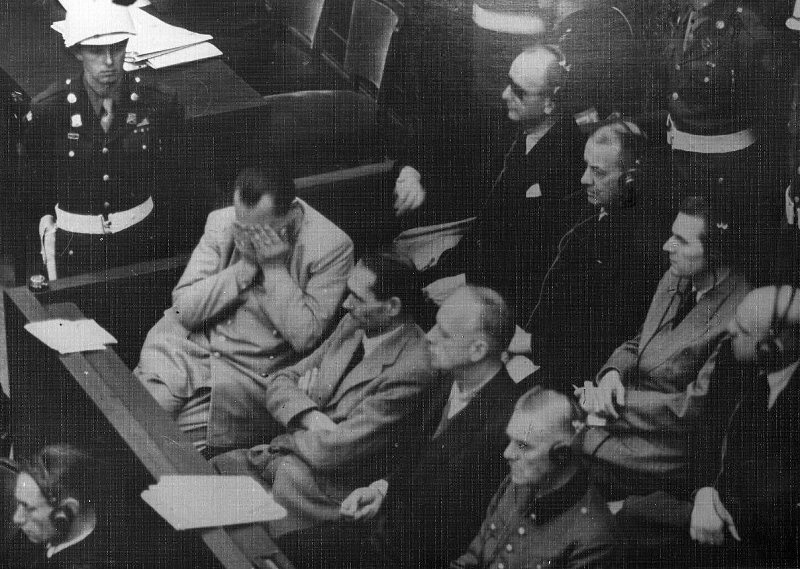
In November 1945, Temin photographed defendants at Nuremberg; the catalogue dates this frame to 20-30 November. On 29 November, prosecutors showed the International Military Tribunal an hour-long film about Nazi concentration camps, compiled from Allied footage. Images of the liberated camps were presented to the court and entered into the trial record as evidence.
This collection includes photographs of the dead and human remains. The collection includes all 20 frames from the exhibition “Looking Death in the Eye” and 14 selected photographs by the same photographers. Khaldei’s photograph of Kerch residents at a TASS display is the cover; the original exhibition frames follow in their published order. It is a documentary collection drawn from different shoots in 1941-1945. The order of the photographs does not establish a sequence of events.
Photographs and documents
1. Kerch residents at a TASS display
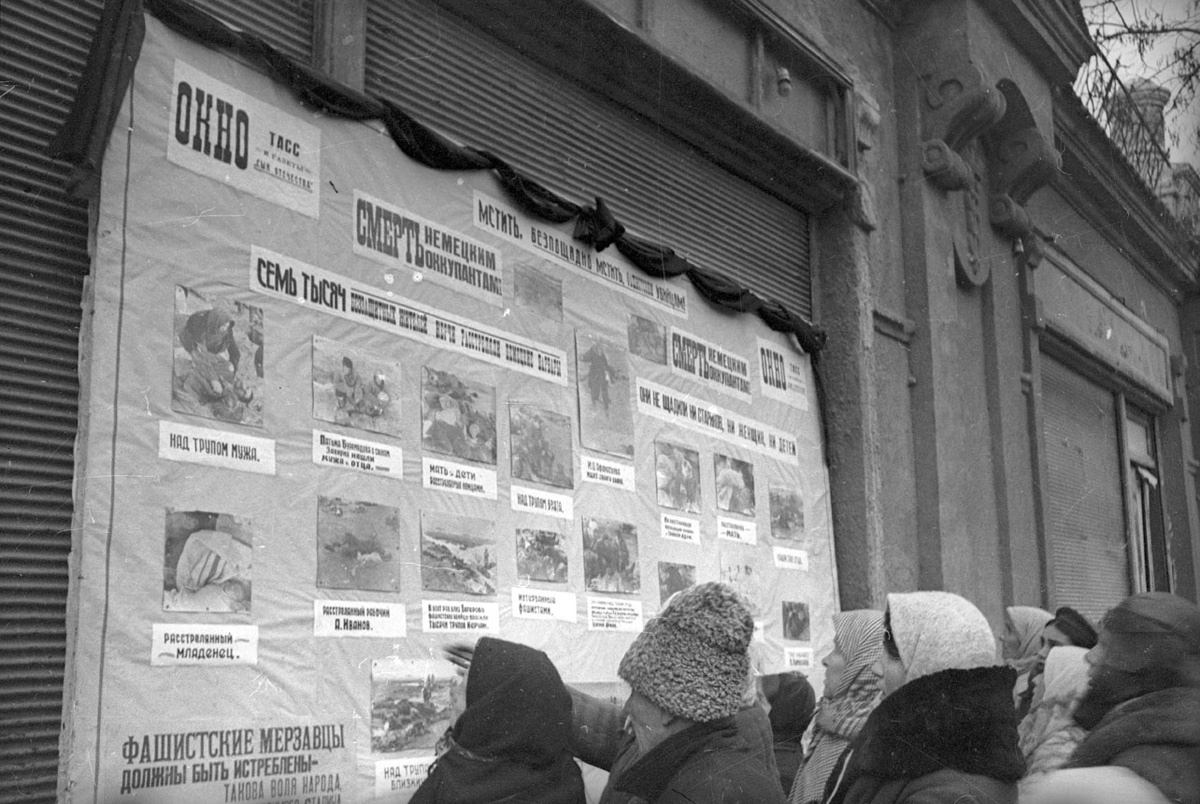
Sources and provenance for frame 1
Photographer and collection are credited from the individual catalogue record: Yevgeny Khaldei - MAMM / Moscow House of Photography.
1200 × 804 px. The portal’s public image file is preserved byte-for-byte; a separate uncropped WebP preview is used. The record gives no open licence; public-domain status is not asserted.
Russia in PhotoFile on WITNESS · 1200 × 8042. Death of a soldier
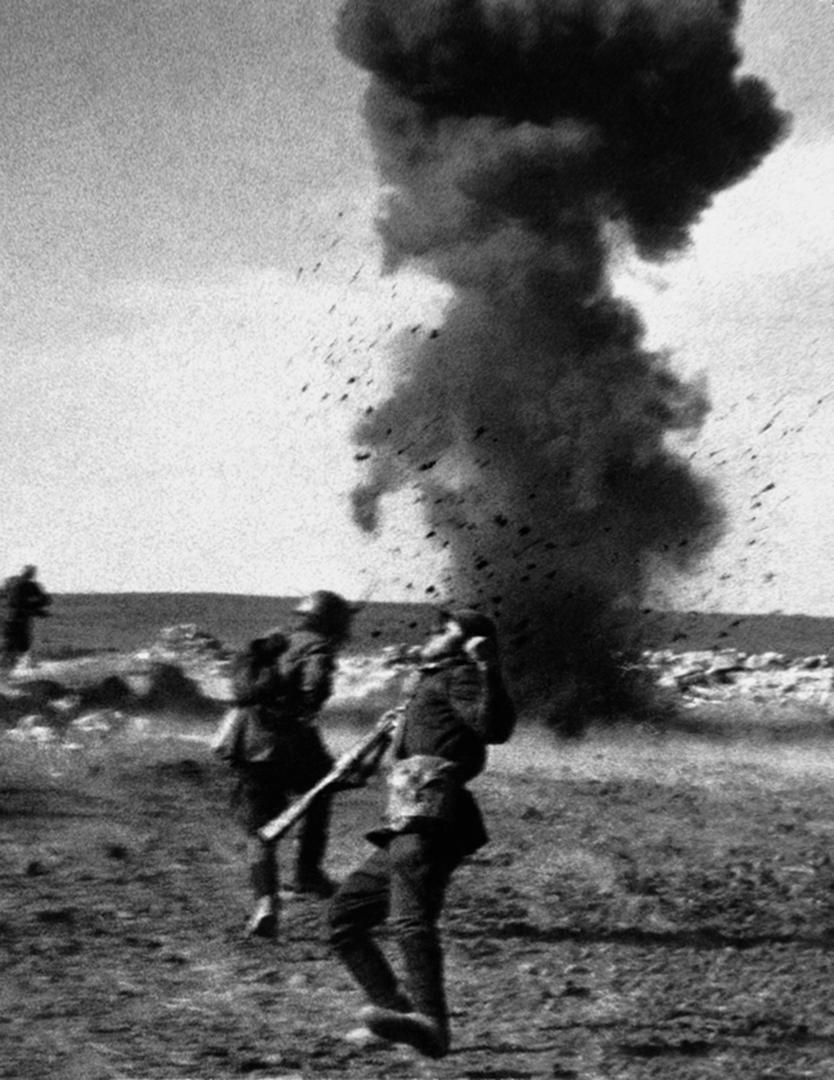
Sources and provenance for frame 2
Photographer and collection are credited from the individual catalogue record: Anatoly Garanin - MAMM / Moscow House of Photography.
834 × 1080 px. The portal’s public image file is preserved byte-for-byte; a separate uncropped WebP preview is used. The record gives no open licence; public-domain status is not asserted.
Russia in PhotoFile on WITNESS · 834 × 10803. After the German forces left
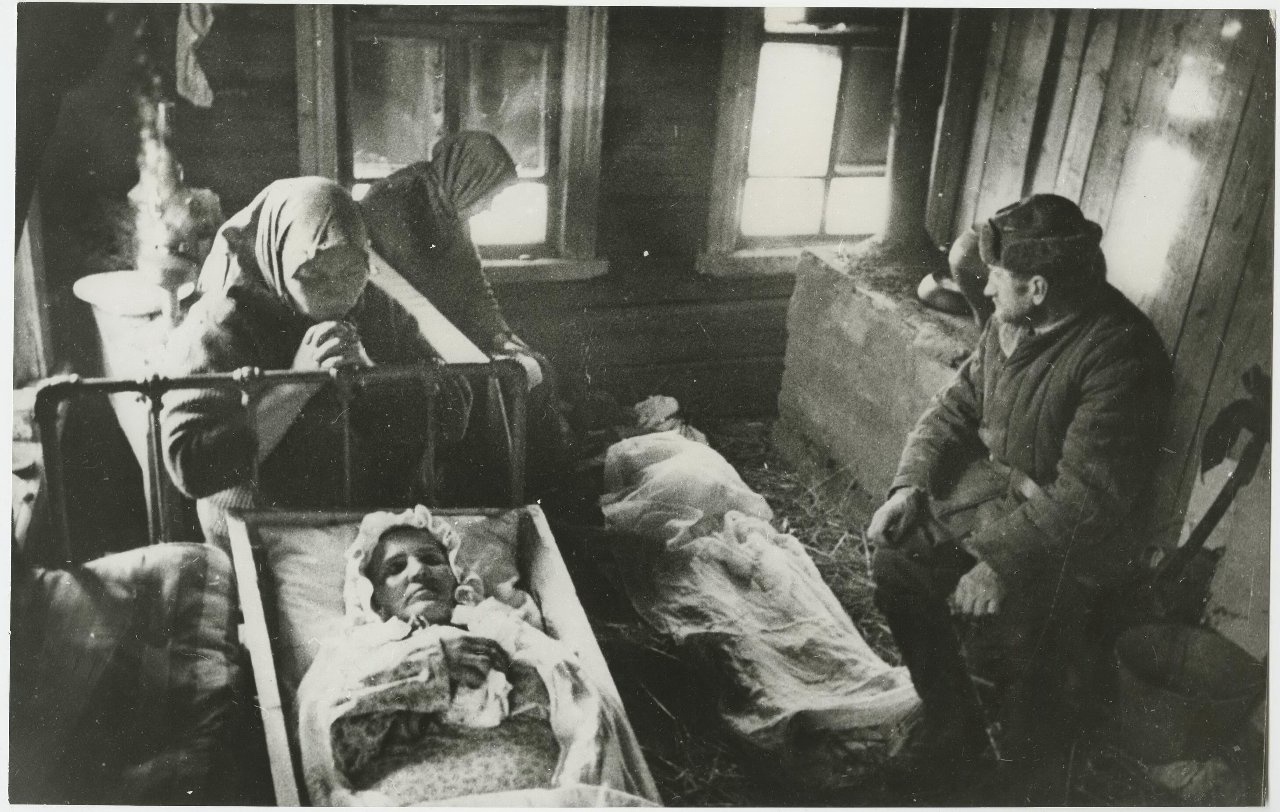
Sources and provenance for frame 3
Photographer and collection are credited from the individual catalogue record: Galina Sanko - MAMM / Moscow House of Photography.
1280 × 812 px. The portal’s public image file is preserved byte-for-byte; a separate uncropped WebP preview is used. The record gives no open licence; public-domain status is not asserted.
Russia in PhotoFile on WITNESS · 1280 × 8124. At the Bagerovo ditch
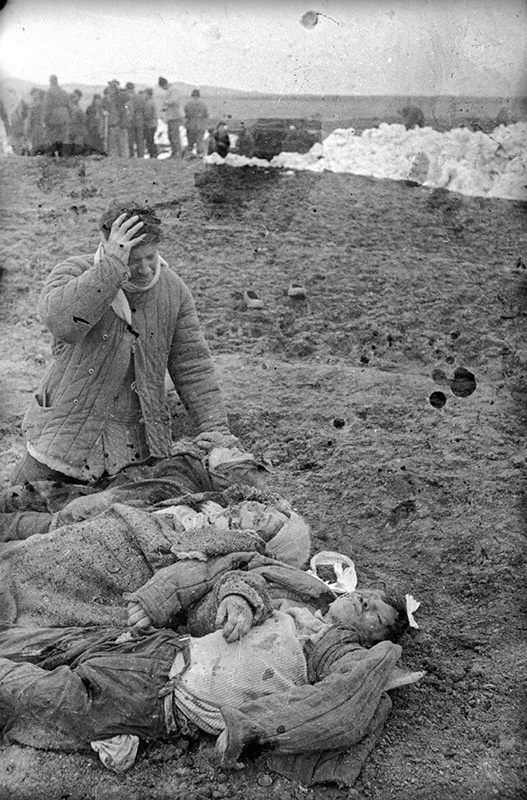
Sources and provenance for frame 4
Photographer and collection are credited from the individual catalogue record: Yevgeny Khaldei - MAMM / Moscow House of Photography.
527 × 800 px. The portal’s public image file is preserved byte-for-byte; a separate uncropped WebP preview is used. The record gives no open licence; public-domain status is not asserted.
Russia in PhotoFile on WITNESS · 527 × 8005. People beside a ditch at Majdanek
Sources and provenance for frame 5
Photographer and collection are credited from the individual catalogue record: Mikhail Trakhman - Union of Photo Artists of Russia. The record incorrectly lists East Prussia. Majdanek is at Lublin in Poland; the location is corrected from the State Museum at Majdanek. The catalogue’s photographic date range is retained.
1200 × 818 px. The portal’s public image file is preserved byte-for-byte; a separate uncropped WebP preview is used. The record gives no open licence; public-domain status is not asserted.
Russia in PhotoFile on WITNESS · 1200 × 8186. Wreaths at Majdanek

Sources and provenance for frame 6
Photographer and collection are credited from the individual catalogue record: Viktor Temin - MAMM / Moscow House of Photography.
800 × 574 px. The portal’s public image file is preserved byte-for-byte; a separate uncropped WebP preview is used. The record gives no open licence; public-domain status is not asserted.
Russia in PhotoFile on WITNESS · 800 × 5747. The dead at Majdanek
Sources and provenance for frame 7
Photographer and collection are credited from the individual catalogue record: Viktor Temin - MAMM / Moscow House of Photography.
800 × 557 px. The portal’s public image file is preserved byte-for-byte; a separate uncropped WebP preview is used. The record gives no open licence; public-domain status is not asserted.
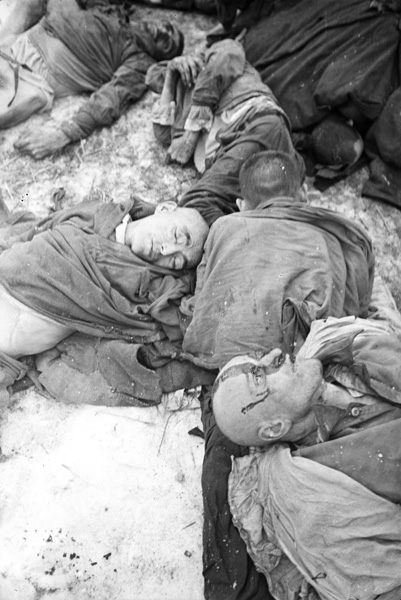
Russia in PhotoFile on WITNESS · 800 × 5578. The dead: a photograph by Shaikhet
Sources and provenance for frame 8
Photographer and collection are credited from the individual catalogue record: Arkady Shaikhet - Private collection.
401 × 600 px. The portal’s public image file is preserved byte-for-byte; a separate uncropped WebP preview is used. The record gives no open licence; public-domain status is not asserted.
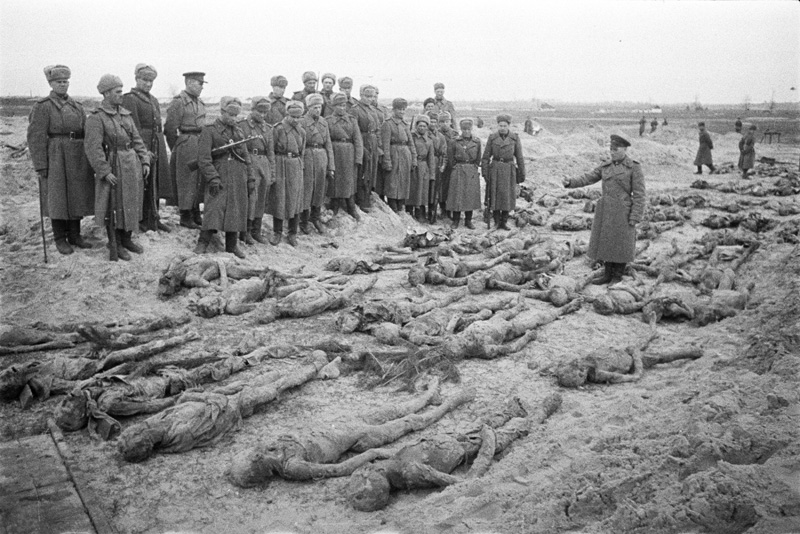
Russia in PhotoFile on WITNESS · 401 × 6009. Soldiers beside the dead
Sources and provenance for frame 9
Photographer and collection are credited from the individual catalogue record: Arkady Shaikhet - Private collection.
800 × 534 px. The portal’s public image file is preserved byte-for-byte; a separate uncropped WebP preview is used. The record gives no open licence; public-domain status is not asserted.
Russia in PhotoFile on WITNESS · 800 × 53410. The dead on the Western Front
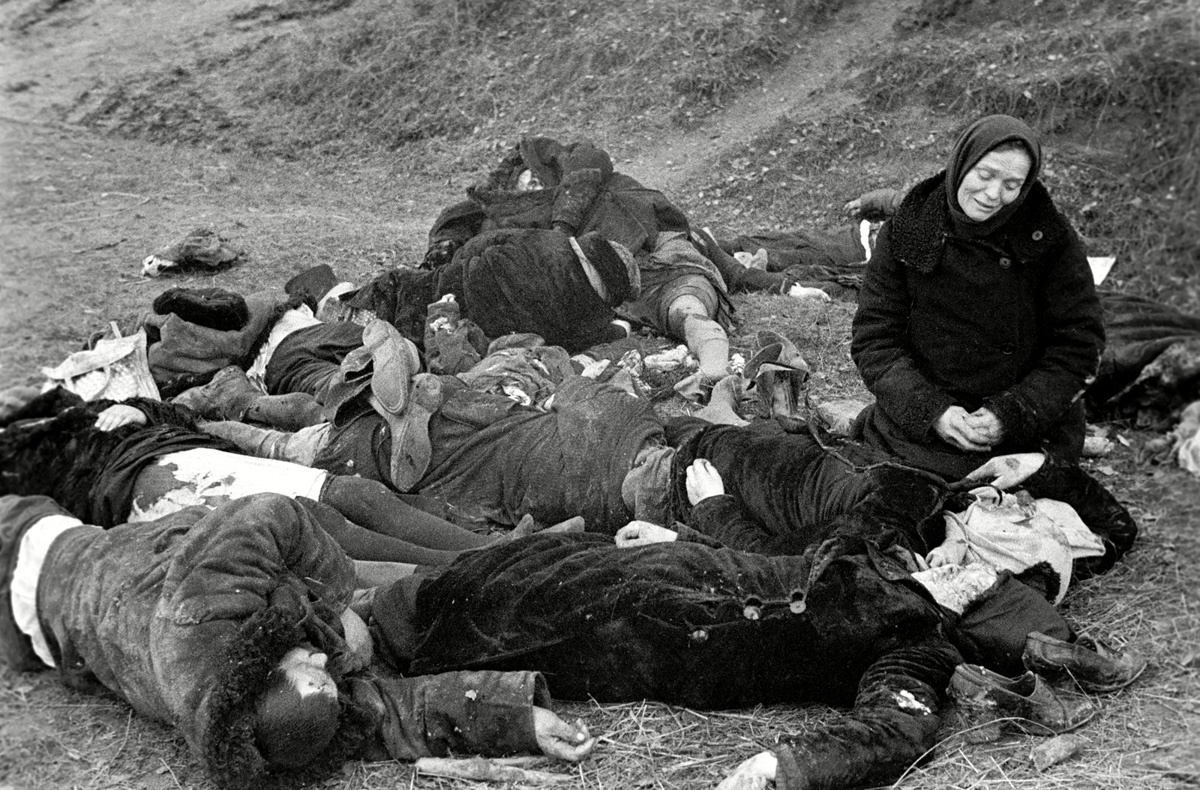
Sources and provenance for frame 10
Photographer and collection are credited from the individual catalogue record: Pavel Troshkin - Izvestia newspaper collection. The archival title refers to relatives; the people have not been identified. Maloyaroslavets is the catalogue location; it was then in Moscow Oblast.
1200 × 790 px. The portal’s public image file is preserved byte-for-byte; a separate uncropped WebP preview is used. The record gives no open licence; public-domain status is not asserted.
Russia in PhotoFile on WITNESS · 1200 × 79011. Bodies beside a damaged house
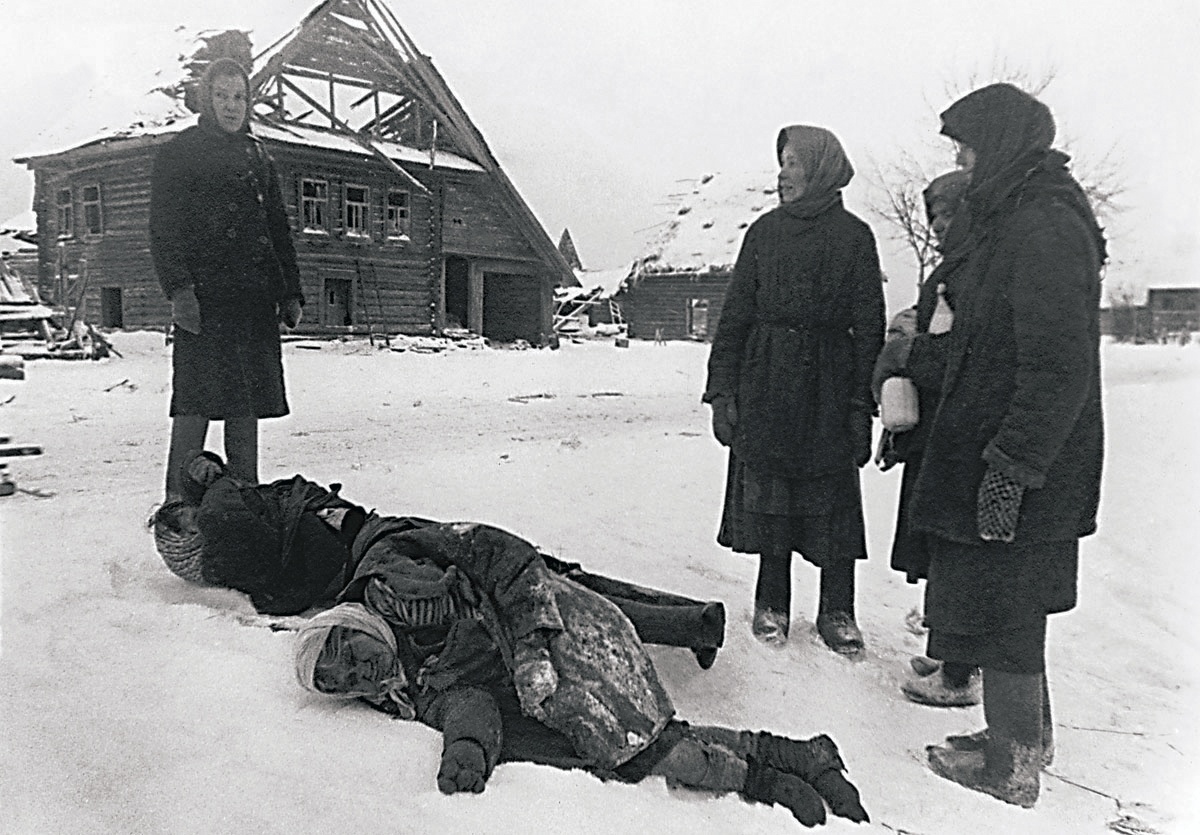
Sources and provenance for frame 11
Photographer and collection are credited from the individual catalogue record: Photographer unidentified - State Historical Museum of the Southern Urals.
1200 × 835 px. The portal’s public image file is preserved byte-for-byte; a separate uncropped WebP preview is used. The record gives no open licence; public-domain status is not asserted.
Russia in PhotoFile on WITNESS · 1200 × 83512. The avenue during shelling
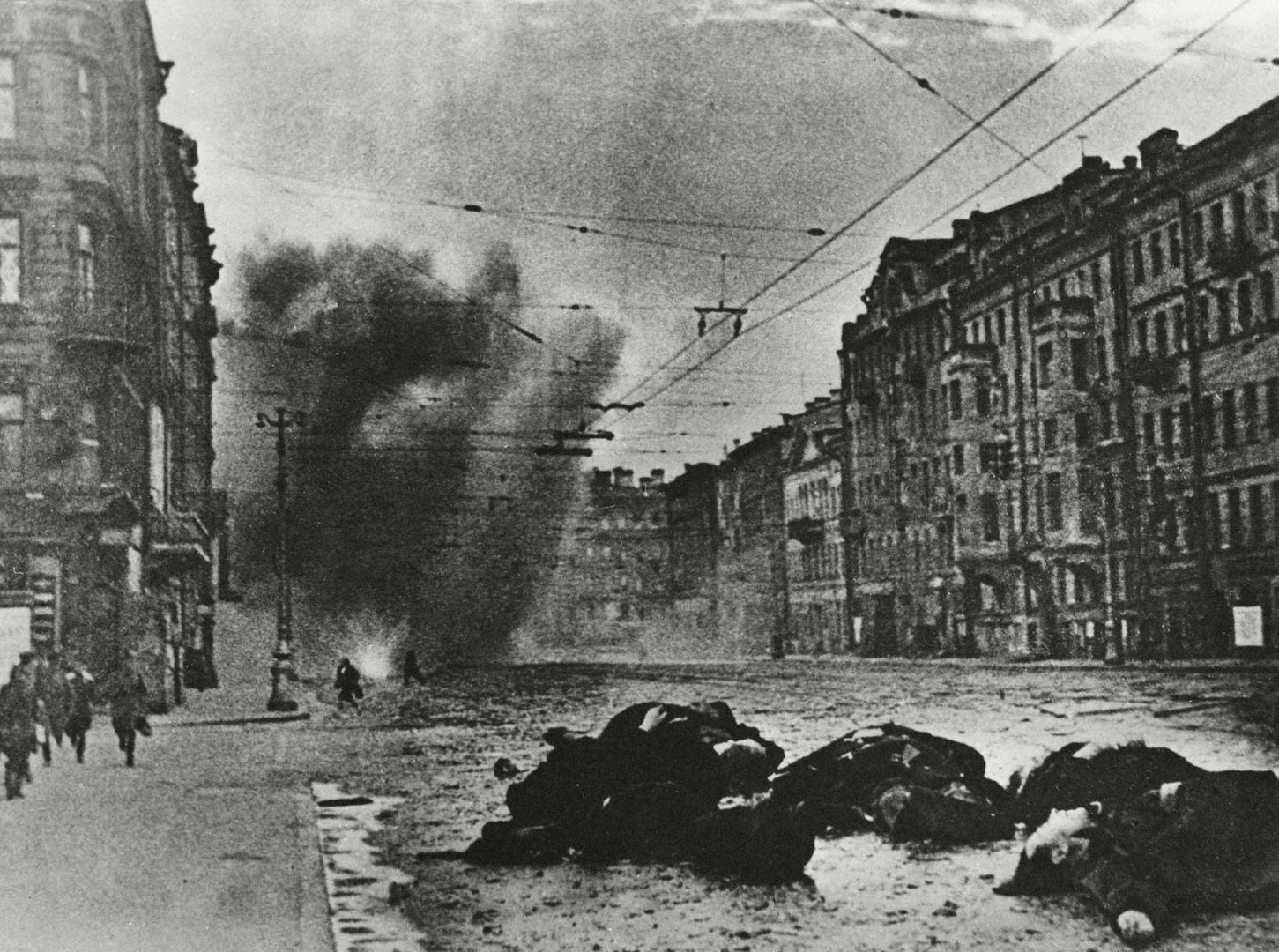
Sources and provenance for frame 12
Photographer and collection are credited from the individual catalogue record: David Trakhtenberg - MAMM / Moscow House of Photography.
1451 × 1080 px. The portal’s public image file is preserved byte-for-byte; a separate uncropped WebP preview is used. The record gives no open licence; public-domain status is not asserted.
Russia in PhotoFile on WITNESS · 1451 × 108013. People beside an excavated ditch
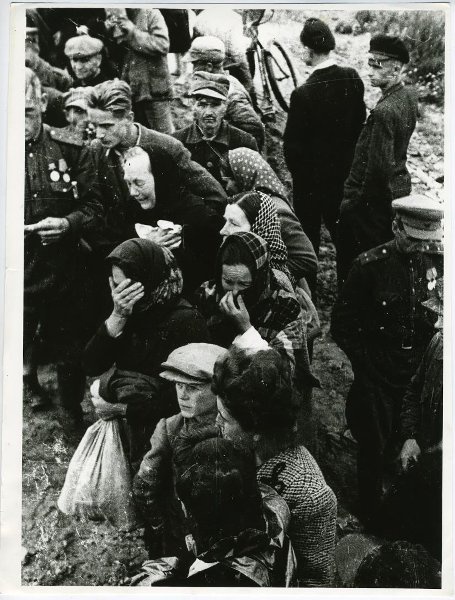
Sources and provenance for frame 13
Photographer and collection are credited from the individual catalogue record: Photographer unidentified - MAMM / Moscow House of Photography. The reference to recognising relatives is an archival attribution; identities and location are unidentified.
455 × 600 px. The portal’s public image file is preserved byte-for-byte; a separate uncropped WebP preview is used. The record gives no open licence; public-domain status is not asserted.
Russia in PhotoFile on WITNESS · 455 × 60014. After Kharkiv’s first liberation
Sources and provenance for frame 14
Photographer and collection are credited from the individual catalogue record: Arkady Shaikhet - Private collection.
800 × 533 px. The portal’s public image file is preserved byte-for-byte; a separate uncropped WebP preview is used. The record gives no open licence; public-domain status is not asserted.
Russia in PhotoFile on WITNESS · 800 × 53315. The dead in Rostov-on-Don
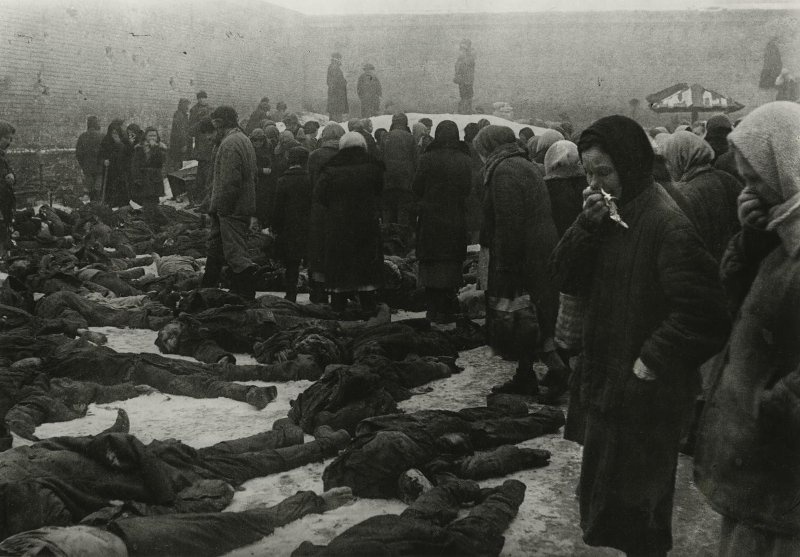
Sources and provenance for frame 15
Photographer and collection are credited from the individual catalogue record: Anatoly Yegorov - MAMM / Moscow House of Photography. The catalogue title states that 4,000 civilians were shot before the retreat. This figure has not been independently verified here and is not a count of the people visible in the frame.
800 × 557 px. The portal’s public image file is preserved byte-for-byte; a separate uncropped WebP preview is used. The record gives no open licence; public-domain status is not asserted.
Russia in PhotoFile on WITNESS · 800 × 55716. Ozarichi: people among the dead
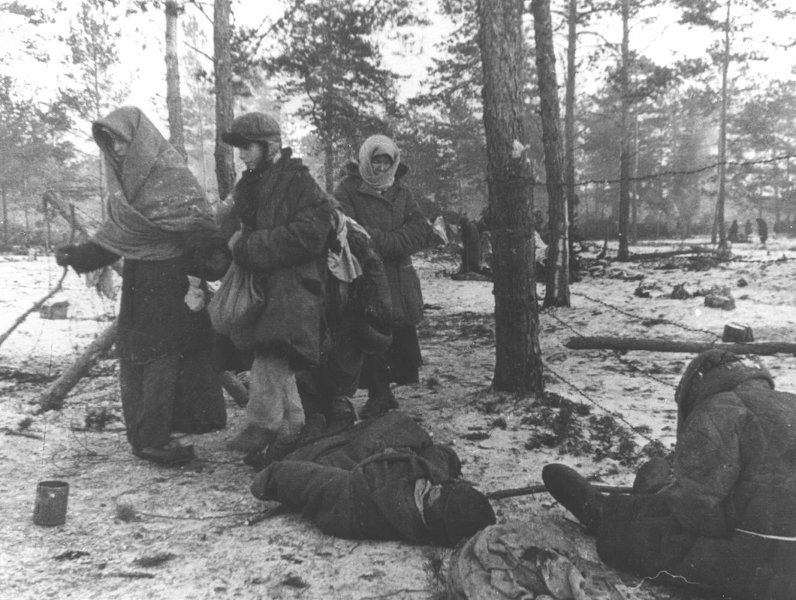
Sources and provenance for frame 16
Photographer and collection are credited from the individual catalogue record: Semyon Alperin - MAMM / Moscow House of Photography. The date of 18 March 1944 follows the record. The memorial directory dates the Soviet troops’ arrival to 18-19 March and identifies 19 March as the liberation anniversary. The precise photographic date has not been independently established. The exhibition caption uses the initial A.; this entry retains Semyon Alperin from the individual record.
796 × 600 px. The portal’s public image file is preserved byte-for-byte; a separate uncropped WebP preview is used. The record gives no open licence; public-domain status is not asserted.
Russia in PhotoFile on WITNESS · 796 × 60017. A child among the dead
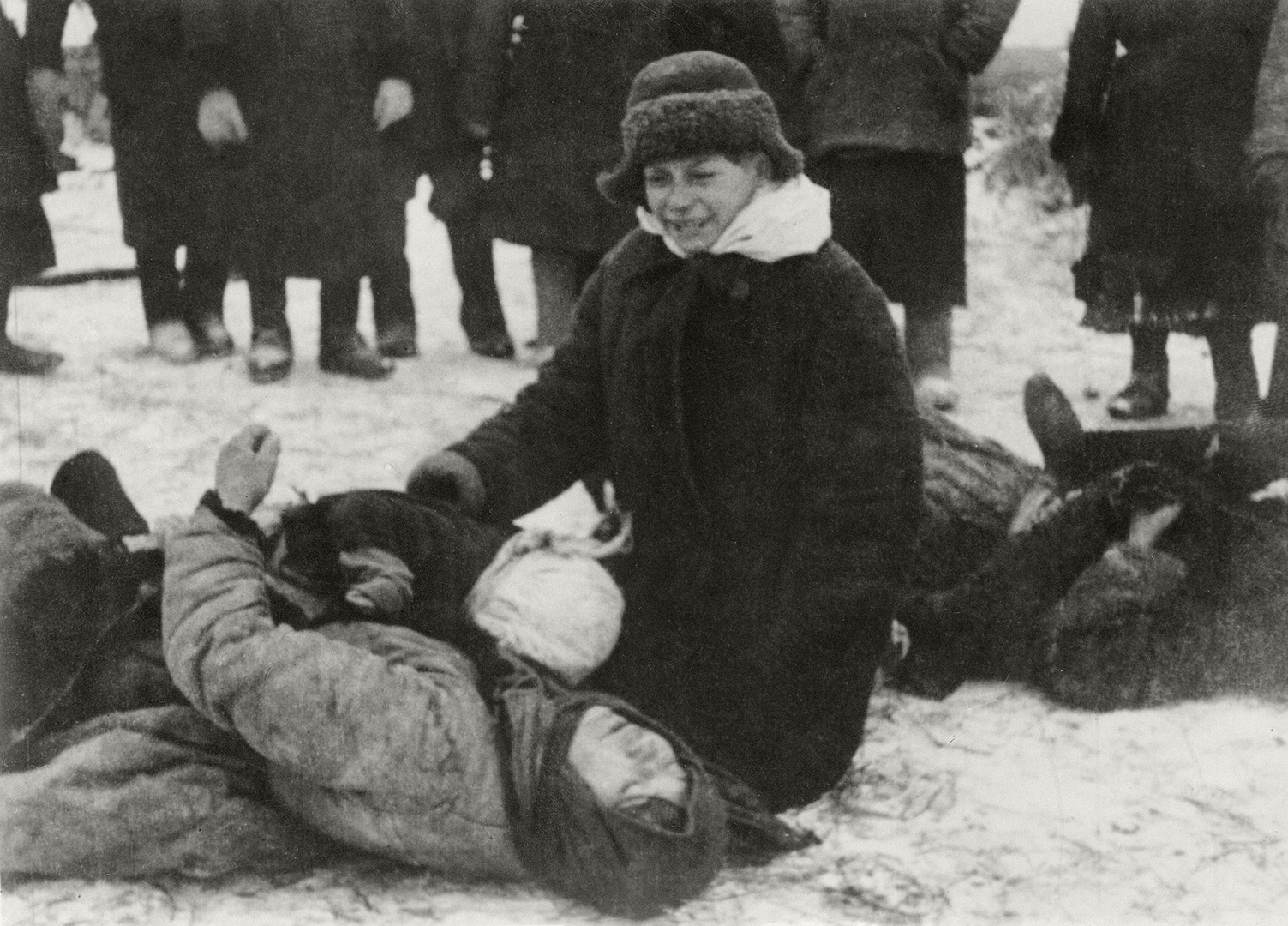
Sources and provenance for frame 17
Photographer and collection are credited from the individual catalogue record: Photographer unidentified - MAMM / Moscow House of Photography.
1503 × 1080 px. The portal’s public image file is preserved byte-for-byte; a separate uncropped WebP preview is used. The record gives no open licence; public-domain status is not asserted.
Russia in PhotoFile on WITNESS · 1503 × 108018. Bodies on Budapest’s streets
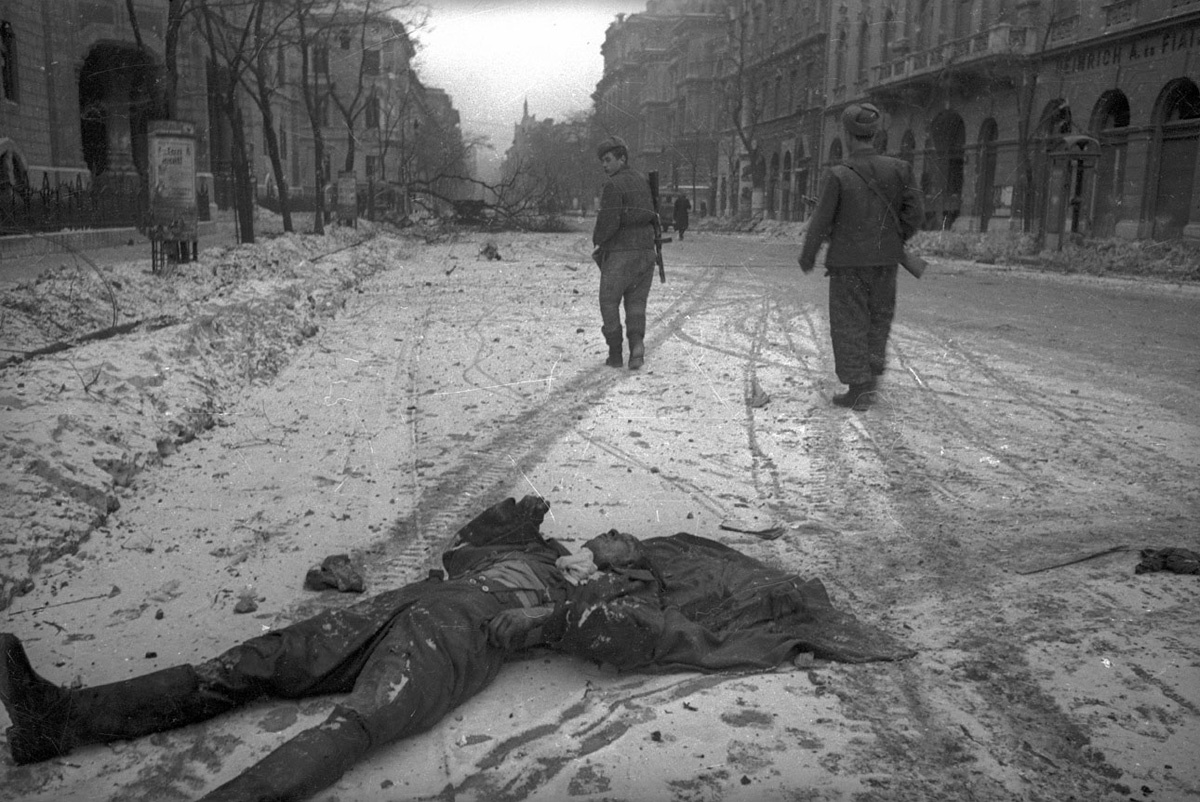
Sources and provenance for frame 18
Photographer and collection are credited from the individual catalogue record: Yevgeny Khaldei - MAMM / Moscow House of Photography.
1200 × 802 px. The portal’s public image file is preserved byte-for-byte; a separate uncropped WebP preview is used. The record gives no open licence; public-domain status is not asserted.
Russia in PhotoFile on WITNESS · 1200 × 80219. Dead women in Budapest
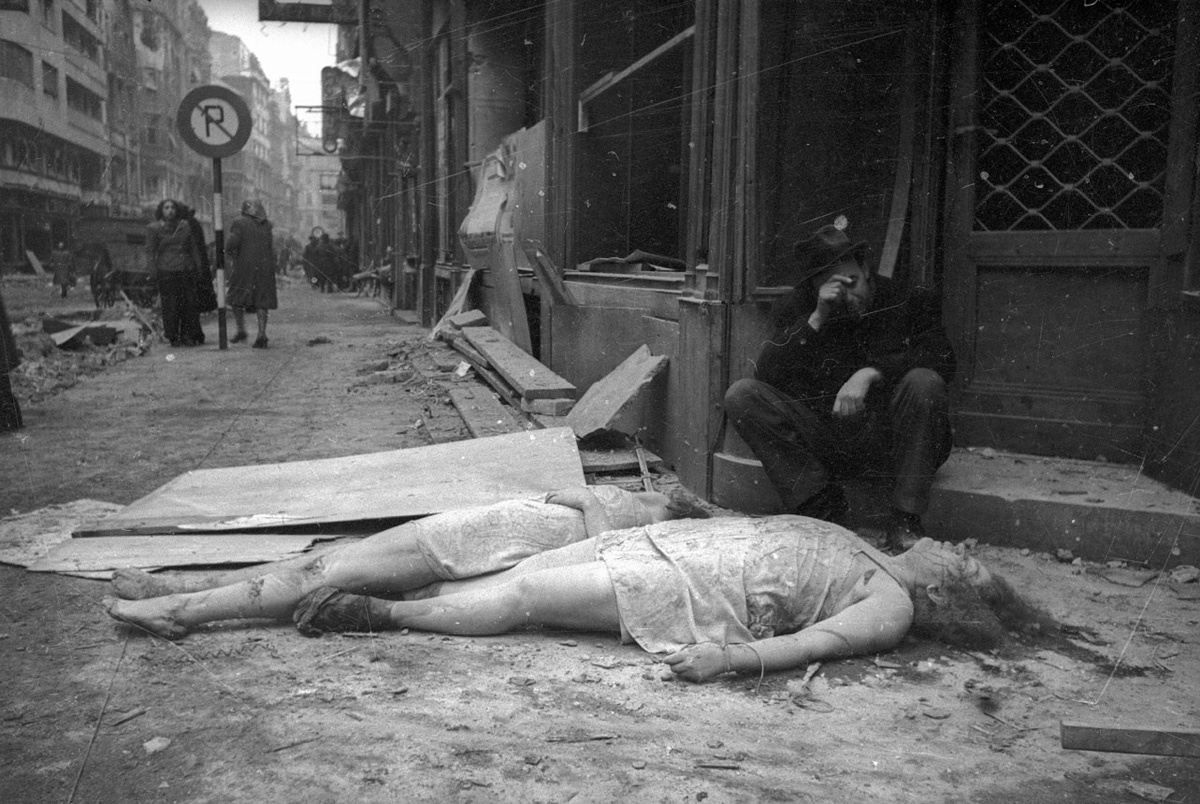
Sources and provenance for frame 19
Photographer and collection are credited from the individual catalogue record: Yevgeny Khaldei - MAMM / Moscow House of Photography.
1200 × 804 px. The portal’s public image file is preserved byte-for-byte; a separate uncropped WebP preview is used. The record gives no open licence; public-domain status is not asserted.
Russia in PhotoFile on WITNESS · 1200 × 80420. A body on a Vienna street

Sources and provenance for frame 20
Photographer and collection are credited from the individual catalogue record: Yevgeny Khaldei - MAMM / Moscow House of Photography.
1200 × 798 px. The portal’s public image file is preserved byte-for-byte; a separate uncropped WebP preview is used. The record gives no open licence; public-domain status is not asserted.
Russia in PhotoFile on WITNESS · 1200 × 79821. Butchering horses in Berlin

Sources and provenance for frame 21
Photographer and collection are credited from the individual catalogue record: Arkady Shaikhet - Private collection.
800 × 548 px. The portal’s public image file is preserved byte-for-byte; a separate uncropped WebP preview is used. The record gives no open licence; public-domain status is not asserted.
Russia in PhotoFile on WITNESS · 800 × 54822. Bagerovo ditch: a wider view
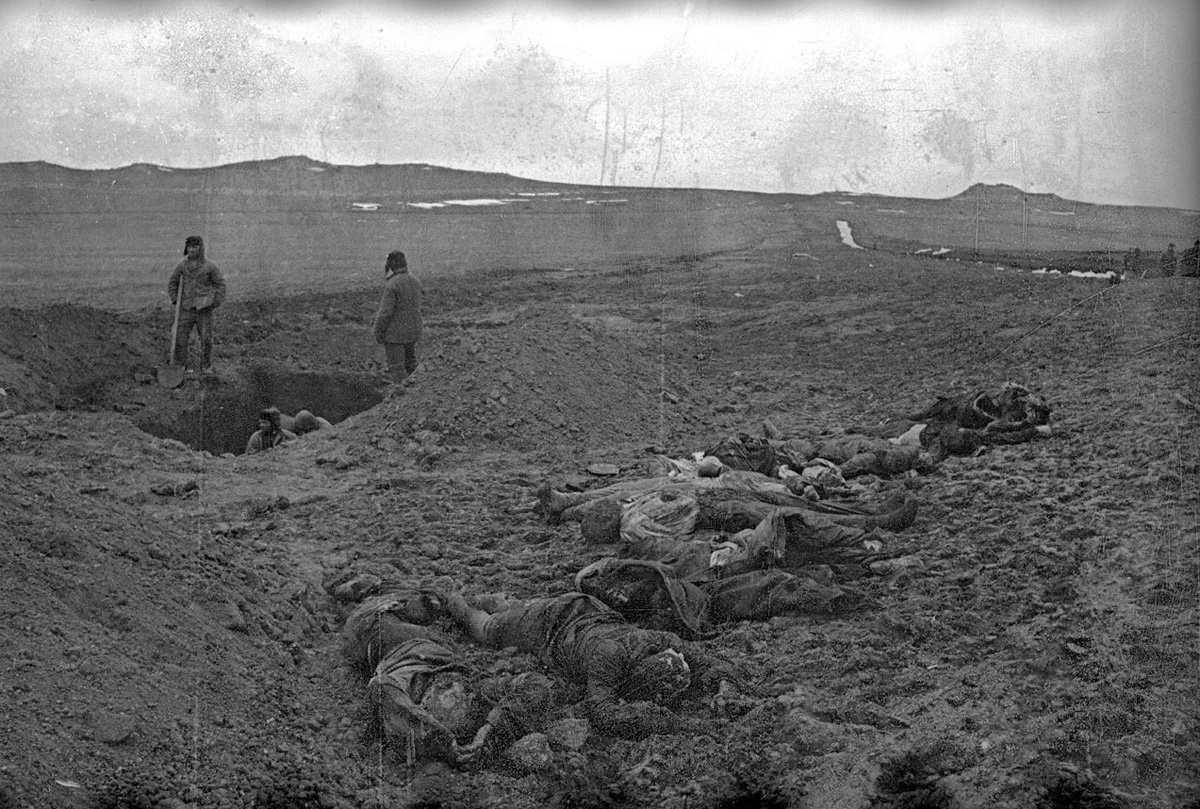
Sources and provenance for frame 22
Photographer and collection are credited from the individual catalogue record: Yevgeny Khaldei - MAMM / Moscow House of Photography.
1200 × 809 px. The portal’s public image file is preserved byte-for-byte; a separate uncropped WebP preview is used. The record gives no open licence; public-domain status is not asserted.
Russia in PhotoFile on WITNESS · 1200 × 80923. Babyn Yar after the Red Army’s return
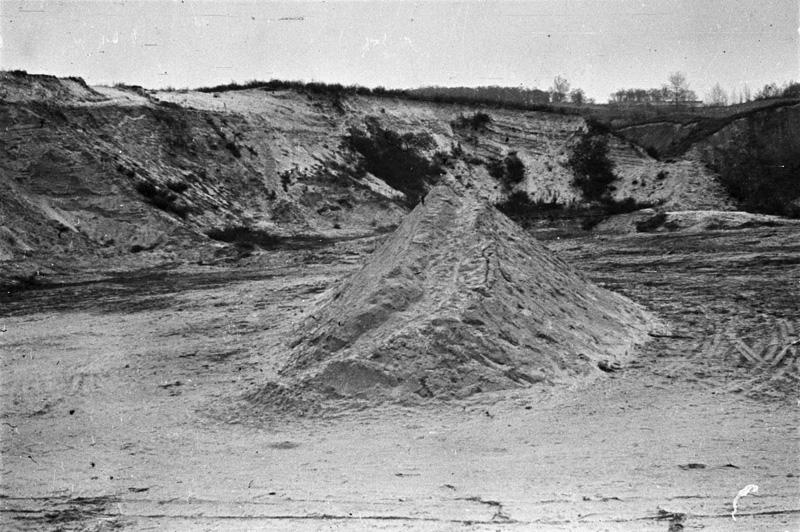
Sources and provenance for frame 23
Photographer and collection are credited from the individual catalogue record: Arkady Shaikhet - Private collection. The date refers to photographing the ravine in November 1943. The US Holocaust Memorial Museum describes the mass shooting of Jews on 29-30 September 1941; the image does not depict the shooting itself.
800 × 532 px. The portal’s public image file is preserved byte-for-byte; a separate uncropped WebP preview is used. The record gives no open licence; public-domain status is not asserted.
Russia in PhotoFile on WITNESS · 800 × 53224. Leaving the Ozarichi camp
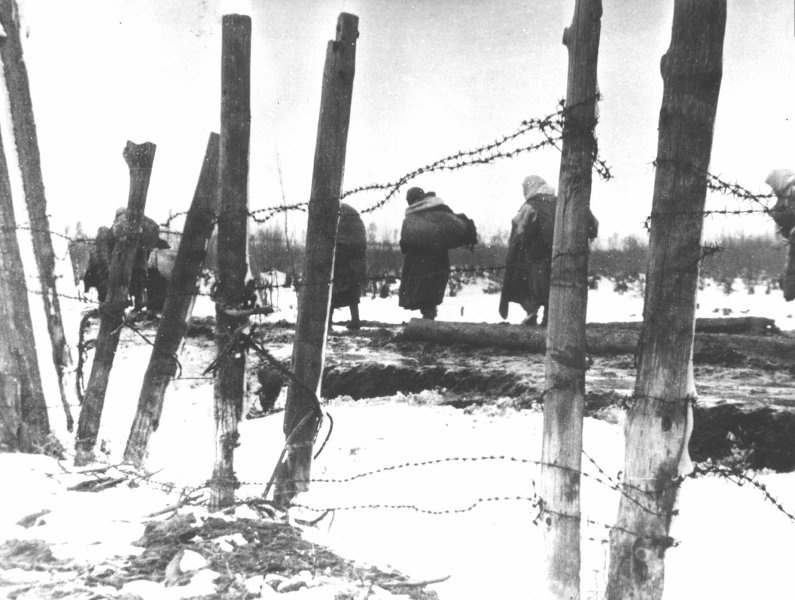
Sources and provenance for frame 24
Photographer and collection are credited from the individual catalogue record: Semyon Alperin - MAMM / Moscow House of Photography.
795 × 600 px. The portal’s public image file is preserved byte-for-byte; a separate uncropped WebP preview is used. The record gives no open licence; public-domain status is not asserted.
Russia in PhotoFile on WITNESS · 795 × 60025. Vera Kuryan
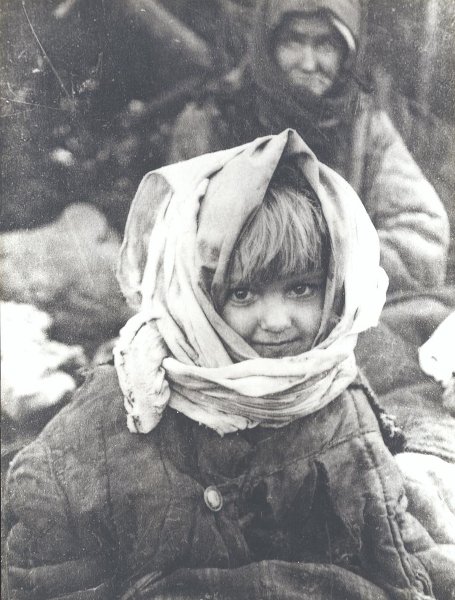
Sources and provenance for frame 25
Photographer and collection: Semyon Alperin - MAMM / Moscow House of Photography. The name follows the record. Vera Kuryan’s later account: MAMM exhibition.
455 × 600 px. The portal’s public image file is preserved byte-for-byte; a separate uncropped WebP preview is used. The record gives no open licence; public-domain status is not asserted.
Russia in PhotoFile on WITNESS · 455 × 60026. Children at Camp No. 6
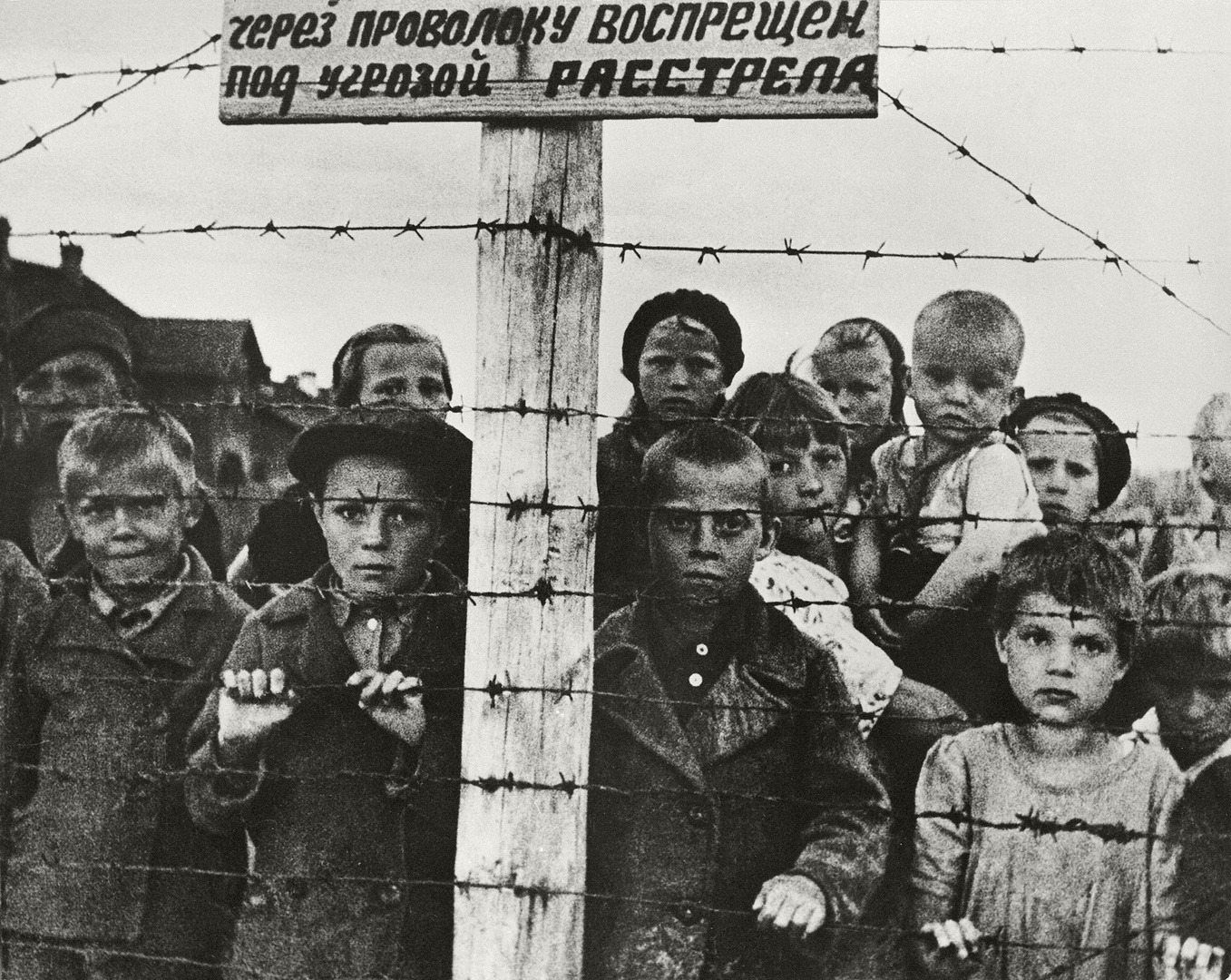
Sources and provenance for frame 26
Photographer and collection are credited from the individual catalogue record: Galina Sanko - MAMM / Moscow House of Photography. The camp number comes from the record. Finnish administration and location are connected to the photograph in historian Sergei Verigin’s interview published by the Russian Historical Society. The precise day in June and the children’s identities have not been established here.
1357 × 1080 px. The portal’s public image file is preserved byte-for-byte; a separate uncropped WebP preview is used. The record gives no open licence; public-domain status is not asserted.
Russia in PhotoFile on WITNESS · 1357 × 108027. Excavating graves near Lublin
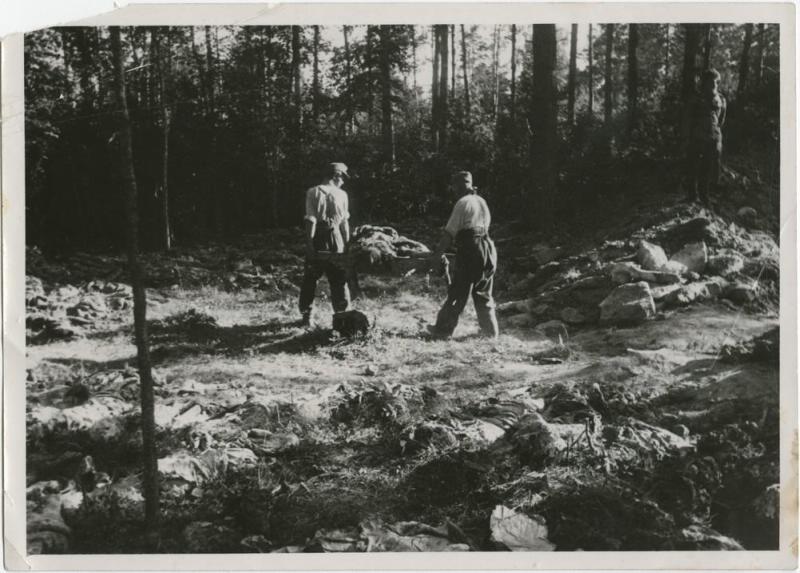
Sources and provenance for frame 27
Photographer and collection are credited from the individual catalogue record: Viktor Temin - MAMM / Moscow House of Photography.
800 × 573 px. The portal’s public image file is preserved byte-for-byte; a separate uncropped WebP preview is used. The record gives no open licence; public-domain status is not asserted.
Russia in PhotoFile on WITNESS · 800 × 57328. Toys and belongings from a camp
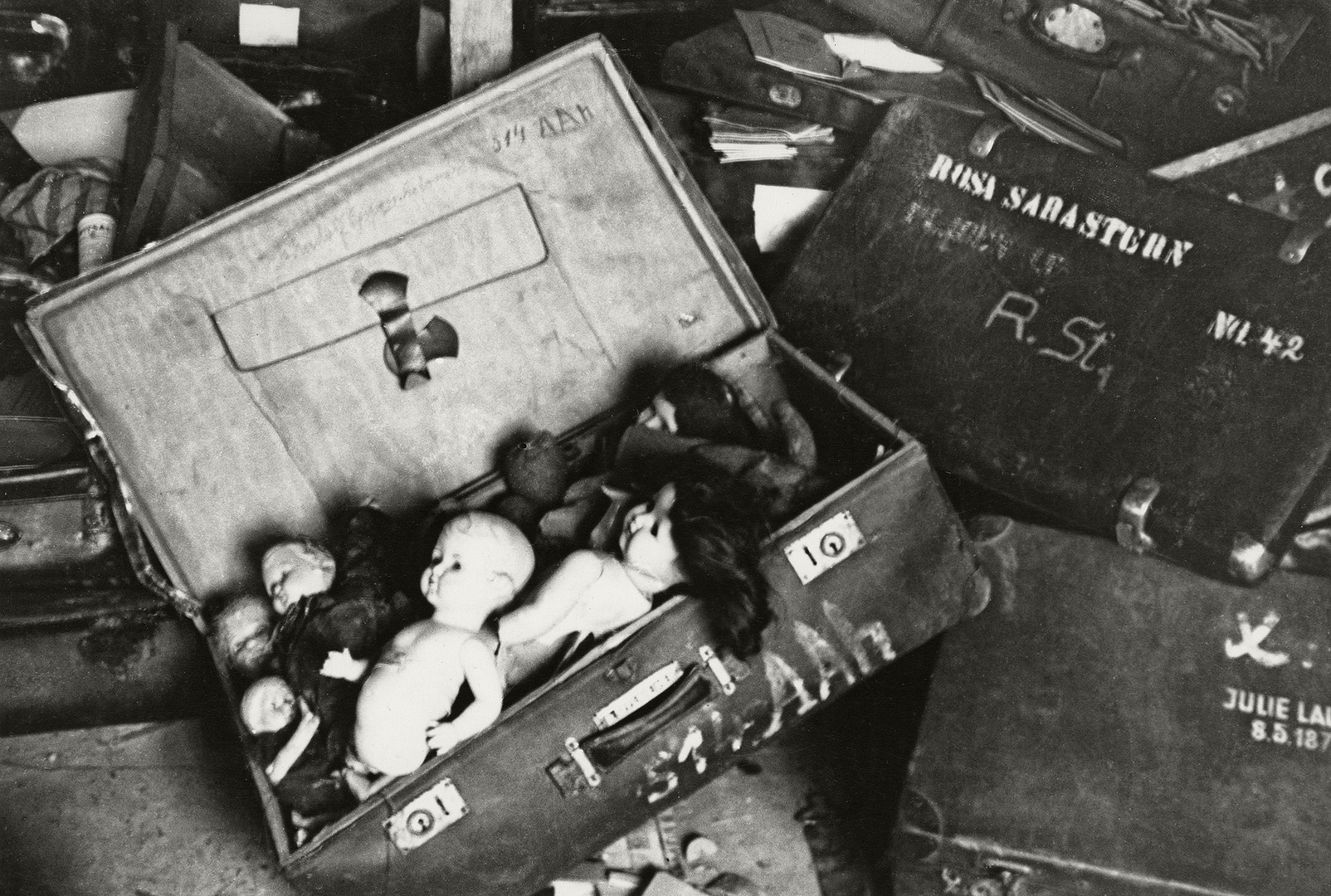
Sources and provenance for frame 28
Photographer and collection are credited from the individual catalogue record: Viktor Temin - MAMM / Moscow House of Photography. The record tentatively associates the belongings with Majdanek. The exact camp remains unidentified; the caption is limited to Poland and the catalogue range of 1944-1945.
1604 × 1080 px. The portal’s public image file is preserved byte-for-byte; a separate uncropped WebP preview is used. The record gives no open licence; public-domain status is not asserted.
Russia in PhotoFile on WITNESS · 1604 × 108029. Survivors of the Budapest ghetto

Sources and provenance for frame 29
Photographer and collection are credited from the individual catalogue record: Yevgeny Khaldei - MAMM / Moscow House of Photography.
1200 × 799 px. The portal’s public image file is preserved byte-for-byte; a separate uncropped WebP preview is used. The record gives no open licence; public-domain status is not asserted.
Russia in PhotoFile on WITNESS · 1200 × 79930. Sachsenhausen survivors
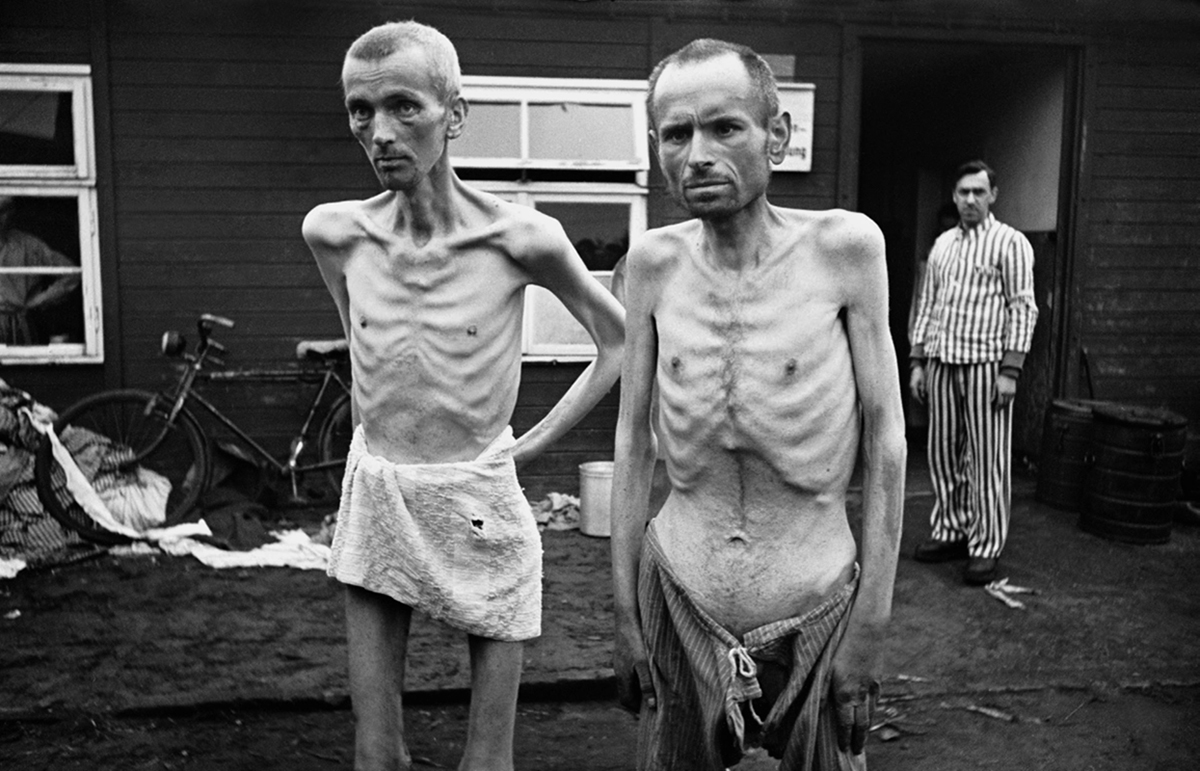
Sources and provenance for frame 30
Photographer and collection are credited from the individual catalogue record: Arkady Shaikhet - Private collection.
1200 × 771 px. The portal’s public image file is preserved byte-for-byte; a separate uncropped WebP preview is used. The record gives no open licence; public-domain status is not asserted.
Russia in PhotoFile on WITNESS · 1200 × 77131. The gates of Sachsenhausen
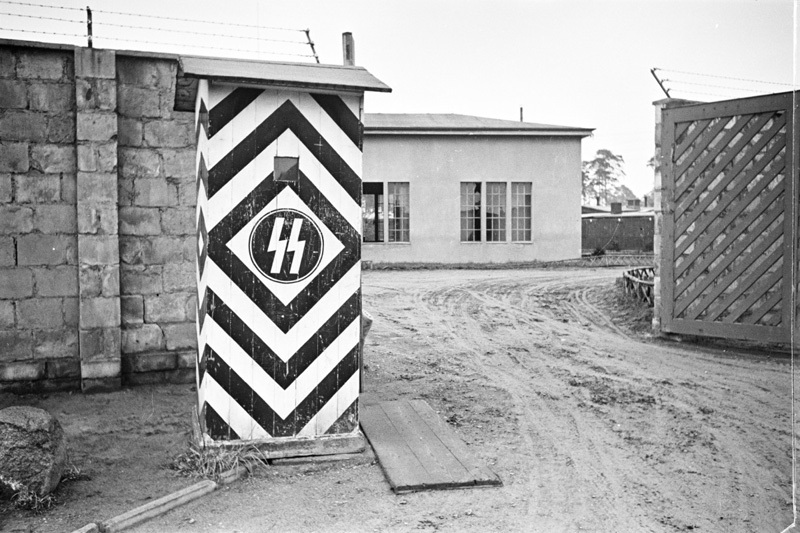
Sources and provenance for frame 31
Photographer and collection are credited from the individual catalogue record: Arkady Shaikhet - Private collection.
800 × 533 px. The portal’s public image file is preserved byte-for-byte; a separate uncropped WebP preview is used. The record gives no open licence; public-domain status is not asserted.
Russia in PhotoFile on WITNESS · 800 × 53332. Camp crematorium ovens

Sources and provenance for frame 32
Photographer and collection are credited from the individual catalogue record: Viktor Temin - MAMM / Moscow House of Photography. The record’s title names Majdanek, while its description identifies the camp only tentatively.
800 × 580 px. The portal’s public image file is preserved byte-for-byte; a separate uncropped WebP preview is used. The record gives no open licence; public-domain status is not asserted.
Russia in PhotoFile on WITNESS · 800 × 58033. Portraits from Majdanek
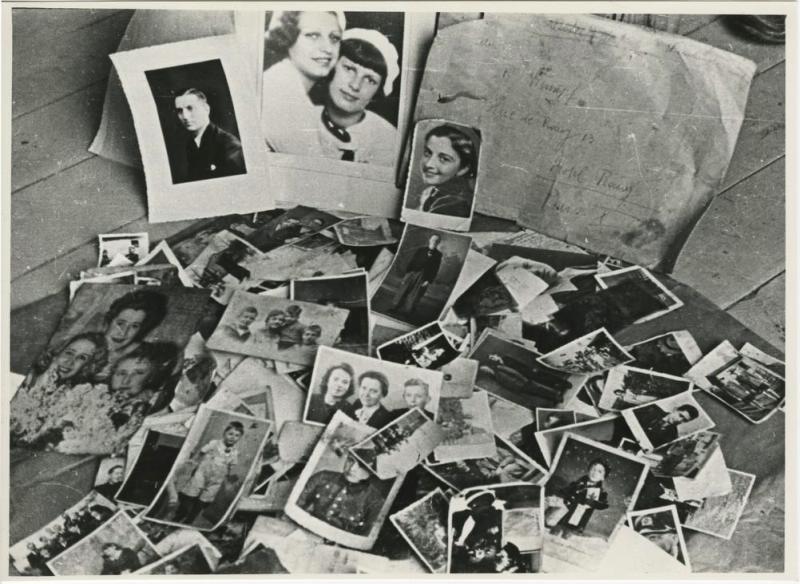
Sources and provenance for frame 33
Photographer and collection are credited from the individual catalogue record: Viktor Temin - MAMM / Moscow House of Photography.
800 × 584 px. The portal’s public image file is preserved byte-for-byte; a separate uncropped WebP preview is used. The record gives no open licence; public-domain status is not asserted.
Russia in PhotoFile on WITNESS · 800 × 58434. Defendants at Nuremberg
Sources and provenance for frame 34
Photographer and collection are credited from the individual catalogue record: Viktor Temin - MAMM / Moscow House of Photography. The catalogue title claims that Göring refuses to watch Nazi-made camp films. The exact day of the photograph and the reason for Göring covering his face have not been established. The US Holocaust Memorial Museum identifies the camp film shown on 29 November 1945 as a compilation of Allied footage. The catalogue range of 20-30 November does not identify a particular screening.
800 × 569 px. The portal’s public image file is preserved byte-for-byte; a separate uncropped WebP preview is used. The record gives no open licence; public-domain status is not asserted.
Russia in PhotoFile on WITNESS · 800 × 569